Belly Button Necrosis After a Tummy Tuck: What to Expect
Once that little eschar falls off, it usually looks really good — we always joke that sometimes it looks better than a belly button after a tummy tuck normally looks.
What Is Belly Button Necrosis?
Belly button necrosis — when the skin of the belly button loses its blood supply and dies — is actually a relatively common complication in both tummy tuck patients and DIEP flap breast reconstruction patients. It looks alarming, but the outcome is usually better than you'd expect.
Why Does It Happen?
During a tummy tuck or DIEP flap procedure, the surgeon makes a small incision around the belly button and dissects down to the abdominal wall. There are tiny blood vessels around the belly button that provide its blood supply, and during this dissection, some of those vessels can be disrupted.
Higher Risk With DIEP Flaps
With a DIEP flap, the surgeon works very close to the belly button because those same small blood vessels also help keep the flap alive. This proximity increases the chance of compromising the belly button's blood supply.
Higher Risk With Hernia Repair
If you're having a hernia repair at the same time as a tummy tuck — especially a larger hernia — the risk of belly button skin necrosis goes up as well.
What Does It Look Like?
Belly button necrosis is very different from fat necrosis. Fat necrosis happens under the skin where you can't see it. Skin necrosis is visible:
- Right after surgery: the tissue appears slightly purple or darker than the surrounding skin
- Over the next couple of weeks: the tissue becomes progressively darker
- Eventually: it turns into what's called an eschar — a black, dry scab
How Is It Treated?
Usually, these small eschars are simply left alone. They eventually fall off on their own, revealing healed tissue underneath. Your surgeon will likely have you do some type of dressing changes — Dr. Killeen typically has patients paint the area with Betadine to keep it dry and provide antimicrobial protection, though every surgeon has their own preferences.
The Silver Lining
Here's the surprising part: once that eschar falls off, the belly button usually looks really good. In fact, surgeons often joke that it sometimes looks better than a typical post-tummy tuck belly button. The tissue scars down into a very natural belly button shape, and you also avoid having the typical circular incision scar.
So while no one wants to see black tissue on their body after surgery, this is a complication that typically ends with an aesthetic result that's not too different — and sometimes even better — than what it would have been otherwise.
The Bottom Line
Belly button necrosis is alarming to experience, but it's a manageable complication with a usually favorable outcome. If you're dealing with this after a tummy tuck or DIEP flap, make sure your surgeon is attentive and guiding you through the healing process. A year from now, it will likely be just a distant memory.
Your Journey to Renewed Confidence

Transform Your Life
Every person deserves to feel comfortable and confident in their own body. Our procedures aren't just about physical change. They're about reclaiming your life, your comfort, and your self-assurance.
Dr. Killeen and her team support you every step of the way, from your first consultation through recovery.
Take the first step toward the life you deserve.
Schedule Your ConsultationTransform Your Life
Every person deserves to feel comfortable and confident in their own body. Our procedures aren't just about physical change. They're about reclaiming your life, your comfort, and your self-assurance.
Dr. Killeen and her team support you every step of the way, from your first consultation through recovery.
Take the first step toward the life you deserve.
Schedule Your ConsultationRelated Articles
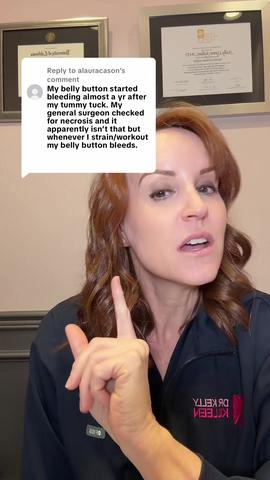
Belly Button Problems After a Tummy Tuck
December 19, 2025
Dr. Killeen explains the most common belly button issues after tummy tuck surgery — scar stenosis and draining sinuses — and how they're treated.
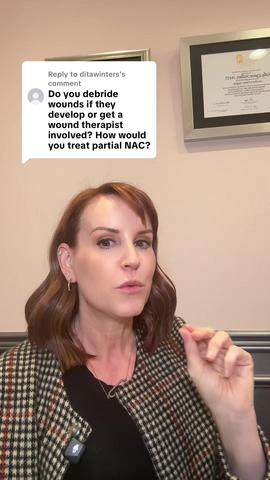
Do Surgeons Manage Their Own Wound Problems? And How We Handle NAC Perfusion Issues
September 19, 2025
Dr. Killeen answers two related questions: yes, surgeons manage their own wound complications (and what wound care clinics actually do), and why we leave NAC perfusion issues alone in non-implant patients — but get more aggressive when an implant is underneath.
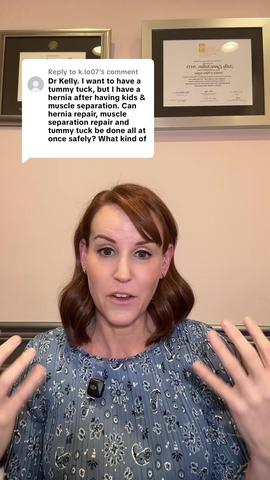
Can a Tummy Tuck, Diastasis Repair, and Umbilical Hernia Repair All Be Done at Once?
August 18, 2025
Dr. Killeen explains how a tummy tuck, diastasis repair, and umbilical hernia repair can — and often should — be combined into a single operation. Including why it doesn't meaningfully increase complication rates, when a general surgeon gets involved, and what pre-op workup looks like.