Who Is the Best Person to Care for You After Surgery? An Honest Guide
You just can't beat the mom. The other top option is the ride-or-die friend. The worst caretaker is anyone — spouse, family, friend — with main character syndrome. This is the time when it all needs to be about you, not them.
Who Is the Best Person to Take Care of You After Surgery?
Patients ask me this all the time, and I have strong opinions on it — built from watching hundreds of post-op patients and the people who came with them.
The short version: moms and ride-or-die friends top the list. Spouses are a coin flip. And there's one specific personality type who is the worst caretaker, regardless of relationship.
Let me explain.
The Two Best Caretakers (In My Experience)
1. Mom
You just can't beat the mom.
If you have a mother who is physically and emotionally able to take care of you for a few days post-op, do everything you can to make that happen. Your surgeon will love it.
Why moms are the gold standard:
- They've literally already done this with you (think: every childhood illness)
- They are not squeamish about your body in a way that often surprises my patients
- They are patient with the slow, repetitive work of post-op care
- They have an automatic instinct to center your needs
- They will tell you to drink water 47 times — and that's actually exactly what you need
When my patient walks in for their post-op visit and "Mom" is in the room, I almost always relax. Things are going to go well.
2. The Ride-or-Die Friend
The other top tier caretaker is the friend who's been your best friend for 20+ years. Not "a friend" — that friend.
The one who:
- Knows your medical history, your meds, your fears
- Has been at your lowest moments before this one
- Will stay overnight if you need them to without making it a thing
- Doesn't need to be entertained while caring for you
- Will bring you food without being asked, exactly the way you like it
- Treats your post-op as a long sleepover where you happen to be the priority
If you have one of these friends and they're available — they are an outstanding choice.
Significant Others: The Coin Flip
Spouses and partners are by far the most common person patients bring to take care of them. But honestly, in my experience, they are also the most variable.
I can usually tell within about 30 seconds of meeting them on surgery day which way it's going to go.
The Red Flag Significant Other
Here's the type that worries me:
- I walk into the consult room and I can barely get them to look at me
- They're not listening when I'm explaining post-op instructions
- They're mostly focused on logistics that benefit them ("where do I pull the car up afterwards?")
- They keep checking their phone but not taking notes
- They're visibly impatient with how long this is taking
When I see this profile of partner, I know the post-op week is going to be a lot harder than it needs to be for my patient. They are not going to be a great caretaker.
The Green Flag Significant Other
The opposite profile:
- Sitting forward, paying attention
- Has the Notes app open on their phone
- Writing down medication names, dosages, signs to watch for
- Asking clarifying questions ("when should we call you if she has X?")
- Confirming the schedule for the next 48 hours
These spouses and partners are almost always awesome. They take post-op care seriously and treat it like the medical responsibility it is.
The takeaway: think critically about whether your spouse is actually up for this job. Not whether they love you. Whether they're going to show up for you in the specific way you're going to need for several days.
If you have any doubts, bring someone else in addition. Or instead.
The Worst Caretaker: Main Character Syndrome
This is the category that's independent of relationship — it's about a personality type, not a role.
The worst caretaker, in my experience, is the person with main character syndrome.
You know who I mean:
- The person who always makes everything about themselves
- The person who gets sick when you get sick (somehow worse than yours)
- The person who needs you to comfort them about your surgery
- The person who turns the post-op week into a story about how hard it's been on them
- The person who can't resist competing with whatever you're going through
This is the time when it all needs to be about you. Not them.
A lot of my patients are women with very busy lives who have been putting their own surgery off because they spend so much energy giving to everyone else around them. This post-op week is the rare time in their life when someone needs to give to them, fully and without keeping score.
A main-character caretaker doesn't do that. They redirect attention back to themselves at every opportunity, even unconsciously. By day three, you're exhausted from comforting them about your surgery.
Don't pick this person. Even if you love them. Pick someone else for these specific days, and let the main character send flowers.
What Good Post-Op Care Actually Looks Like
If you're evaluating who to ask, here's what the job actually involves:
The First 48 Hours
- Helping you get up and to the bathroom
- Making sure you take your medications on time
- Keeping water and food within reach
- Helping you in and out of compression garments
- Emptying drains if you have them, and logging the output
- Watching for signs of complications (excessive bleeding, fever, breathing changes)
- Driving you to post-op appointments
The First Week
- Continuing all of the above, with decreasing intensity
- Helping with showers when you're cleared for them
- Bringing you food, drinks, and refills
- Being available to call the surgeon's office if a question comes up
- Just being there so you're not alone with discomfort and anxiety
This is real work. It deserves a real caretaker.
The Practical Logistics
When you're thinking about who to ask, also think about:
- Whether they can take the time off to actually do this — half-attention from someone juggling a full work schedule isn't the same as full attention
- Whether they live close enough or are willing to stay with you
- Whether they're comfortable with bodily things — drains, dressing changes, helping with bathroom
- Whether they're a calm person in general — anxious caretakers create anxious patients
- Whether they'll respect your surgeon's instructions even when those instructions inconvenience them
What If You Don't Have Anyone Like This?
This comes up too. If your mom isn't available, you don't have a ride-or-die friend, and your spouse isn't the right person — there are still options:
- Hire a post-op nurse or caregiver for the first 24–48 hours
- Stay in a post-op recovery facility that some practices use
- Use a friend network — multiple friends each taking a single shift can add up to good coverage
- Discuss with your surgeon — many of us have resources and recommendations for patients in this situation
Don't skip surgery you need because you don't have a perfect caretaker. Just plan for it.
The Bottom Line
The best caretakers after surgery are, in order of my real-world experience:
- Mom — if she's available and able
- Ride-or-die friend — the 20-year bestie type
- A spouse or partner with a Notes-app mindset — paying attention, taking it seriously
The worst caretakers are people with main character syndrome, regardless of relationship. The post-op week is the rare time when someone needs to give to you, fully — and that's a tough role for anyone whose default mode is making things about themselves.
If you're thinking about a procedure and trying to plan, think critically about who's going to be at your side. The right caretaker can make recovery feel like a manageable rest. The wrong one can make it feel like a second job.
Your Journey to Renewed Confidence
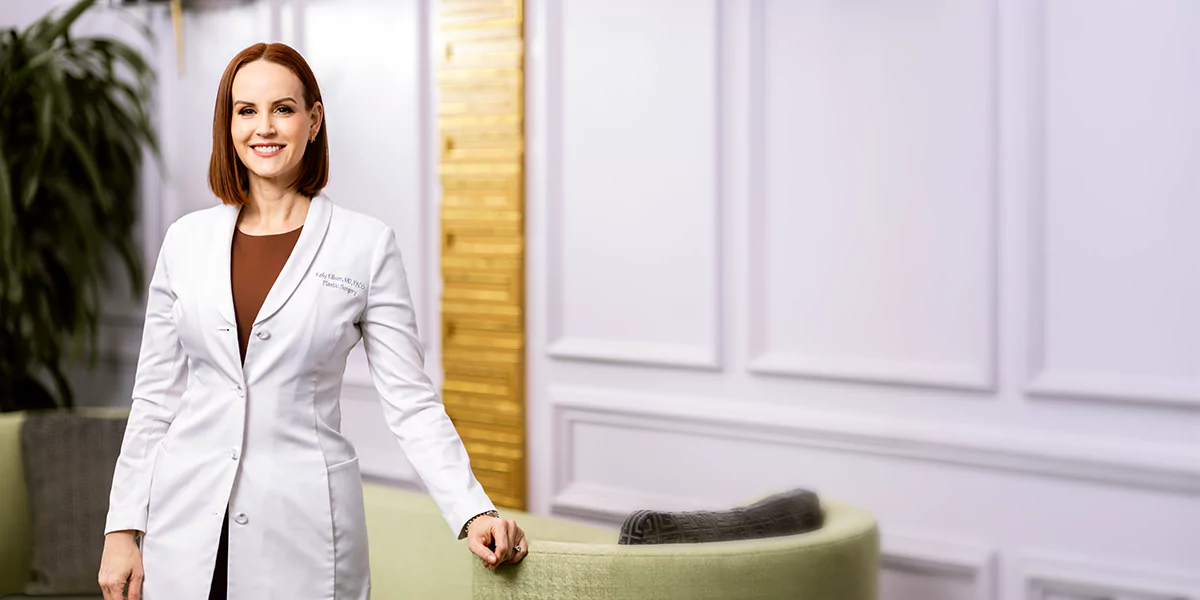
Transform Your Life
Every person deserves to feel comfortable and confident in their own body. Our procedures aren't just about physical change. They're about reclaiming your life, your comfort, and your self-assurance.
Dr. Killeen and her team support you every step of the way, from your first consultation through recovery.
Take the first step toward the life you deserve.
Schedule Your ConsultationTransform Your Life
Every person deserves to feel comfortable and confident in their own body. Our procedures aren't just about physical change. They're about reclaiming your life, your comfort, and your self-assurance.
Dr. Killeen and her team support you every step of the way, from your first consultation through recovery.
Take the first step toward the life you deserve.
Schedule Your ConsultationRelated Articles

Unlocking the Benefits of Peptide IV Therapy
March 16, 2023
Peptide IV is a type of intravenous therapy that delivers a specialized mixture of peptides directly into the bloodstream...
The Crease Incision Breast Lift: Why It's Not Always the Best Choice
December 7, 2025
Dr. Killeen explains why the crease incision breast lift often produces a boxy shape, doesn't fix bottomed-out implants long-term, and when auto-augmentation is a better use of the technique.
What Happens When Your Surgeon Is on Vacation and You Need Help?
August 5, 2025
Dr. Killeen explains how surgical coverage actually works when your surgeon is out of town — including how partners and solo practitioners arrange coverage, the cross-city network for traveling patients, and what questions to ask up front so you're never left without help if something happens.