What Cup Size Will My Implants Be? (And the Rice Trick You Can Try at Home)
Implants don't come in cup sizes — they come in cc's. On average, 100 to 200 cc is one cup size. The best way to figure out what looks right on you is the rice trick: dry rice in a baggie, in a real bra, in real clothes. Then bring that volume to your consultation.
What Cup Size Will My Implants Be? (And the Rice Trick You Can Try at Home)
A common question I get is something like:
"What implant size do I need to be a C cup?"
Unfortunately, there's no easy one-to-one answer — but there are some honest numbers to know and a really useful at-home trick that will get you a much better sense of what you actually want. Let me walk through both.
Implants Don't Come in Cup Sizes
The first thing to understand is that breast implants are not sold in cup sizes. They're measured by volume, in cubic centimeters (cc) or milliliters (mL) — those two units are the same thing.
So when you walk into a breast augmentation consultation and someone asks "what size do you want?" they're really asking how many cc's of implant you'd like — not which letter of the alphabet your bra should be.
The Rough Conversion
For an average patient, the rough cc-to-cup conversion is:
100 to 200 cc ≈ one cup size
So if you started with no breast tissue at all and added implants only:
| Implant Volume | Approximate Cup Size |
|---|---|
| 100–200 cc | A cup |
| 300–400 cc | B cup |
| 400–600 cc | C cup |
| 600+ cc | D cup or larger |
But the moment you have any breast tissue of your own, those numbers shift. (And almost everyone does have native tissue.) I've written about how many cc are in a cup size in more detail — the 150 cc per cup average has a much wider real-world range (100 to 250 cc per cup) depending on body type.
Your Own Breast Tissue Changes the Math
Here's where the calculation gets personal:
- If you have a decent amount of native breast tissue, a smaller implant can get you to a given cup size
- If you have very little native breast tissue, you'll need a larger implant to reach the same cup size
- If you're very thin overall with a narrow chest base, smaller volumes show up faster
- If you're broader with a wider chest base, the same volume distributes more and looks smaller
This is why two patients with identical implant volumes can end up wearing completely different cup sizes.
Why I Don't Promise Specific Cup Sizes
You'll occasionally see surgeons promising patients a specific cup size after augmentation. I don't do that, because it's essentially unpredictable.
A given implant volume produces a cup size that depends on:
- Your native tissue (volume + projection)
- Your chest wall width
- The implant profile (high, moderate, low — profile matters)
- Which bra brand you're measuring in (bra sizing is wildly inconsistent across brands)
- How your tissue settles over the months after surgery
I can absolutely tell you the range of cup sizes a given implant volume tends to land in for someone with your anatomy — but pinning it to a single letter isn't something I can responsibly promise.
The Rice Trick: Try Volumes at Home
Here's the genuinely useful piece of this answer: you can preview implant volumes at home using dry rice.
How to Do It
You'll need:
- Dry rice (any kind — most kitchens have it)
- Measuring cups (kitchen measuring cups in cc/mL, or convert from US cups)
- Resealable plastic baggies (sandwich or quart size)
- A bra you actually wear
Step-by-Step
- Measure out a specific volume of rice in cc — let's say start with 250 cc
- Pour the rice into a baggie, seal it
- Put the rice baggie inside your bra, sitting against the underside of your breast tissue
- Look in the mirror, try on clothes, wear it around the house for a few hours
- Try different volumes — 250, 300, 350, 400, etc.
- Pay attention to how each volume looks on you and feels in clothing
Why This Works
This gives you a real, physical sense of what added volume actually feels and looks like on your specific body — better than 3D imaging in many cases, and much better than just imagining it.
Useful Volumes to Try
For most patients considering augmentation:
- Smaller goal: start at 200–300 cc
- Medium goal: 300–400 cc
- Larger goal: 400–500+ cc
Bring the volume that looked best on you to your consultation. Telling your surgeon "I tried 350 cc at home in my favorite bra and that's what I want to look like" is dramatically more useful than "I want to be a C cup."
Converting Measurements
For reference:
- 1 US cup of rice ≈ 240 mL ≈ 240 cc
- Most kitchen liquid measuring cups have mL markings on the side — easier than dry-cup conversions
- A common implant size of 350 cc is roughly 1.5 US cups of rice
What to Do at Your Consultation
A good consultation should include:
- Sizers — actual implant-shaped silicone forms you can place in a special bra to mimic the implant
- 3D imaging (if your surgeon has it) — gives a visual preview of how different volumes will look
- Your at-home rice volumes as input — so we can match implant volume to what you actually picture
- A discussion of your activity level — runners, weight lifters, and Pilates devotees should factor lifestyle into the volume choice
The combination of those four things will get you to the right answer for your body, not someone else's "C cup."
The Bottom Line
Implants are sized in cc, not cup sizes. On average, 100–200 cc ≈ one cup size — but your own breast tissue, your chest width, and your tissue projection all shift the math.
Don't walk into a consultation asking for a specific cup size. Walk in with a specific cc volume that you've previewed at home using dry rice in a baggie, in a real bra, in real clothing.
That information is dramatically more useful to your surgeon — and dramatically more likely to get you the result you actually want.
Your Journey to Renewed Confidence

Transform Your Life
Every person deserves to feel comfortable and confident in their own body. Our procedures aren't just about physical change. They're about reclaiming your life, your comfort, and your self-assurance.
Dr. Killeen and her team support you every step of the way, from your first consultation through recovery.
Take the first step toward the life you deserve.
Schedule Your ConsultationTransform Your Life
Every person deserves to feel comfortable and confident in their own body. Our procedures aren't just about physical change. They're about reclaiming your life, your comfort, and your self-assurance.
Dr. Killeen and her team support you every step of the way, from your first consultation through recovery.
Take the first step toward the life you deserve.
Schedule Your ConsultationRelated Articles
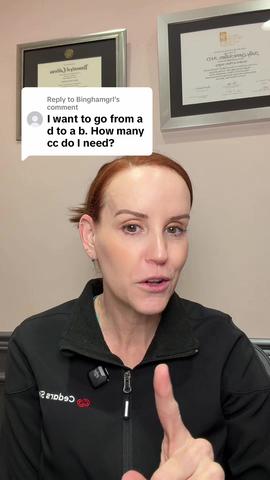
How Many CCs Are in a Cup Size?
April 23, 2026
Dr. Killeen breaks down the average cc-to-cup-size conversion for breast augmentation and reduction — why 150 cc ≈ one cup size on average, why the range is really 100 to 250 cc, and why responsible surgeons don't promise specific cup sizes.

How Implant Size Is Chosen for Direct-to-Implant Breast Reconstruction
January 26, 2026
Dr. Killeen explains how she determines implant size for direct-to-implant breast reconstruction — from patient goals and 3D imaging to mastectomy specimen weight.
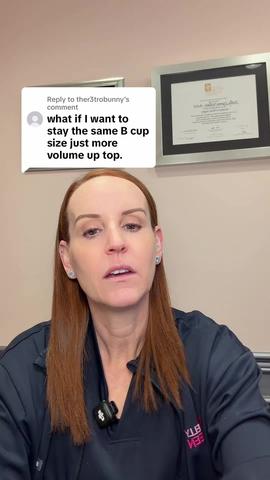
I Like My Size — I Just Want More Upper-Pole Fullness. What Are My Options?
April 30, 2026
Dr. Killeen breaks down how to add upper-pole volume without making the breast bigger overall — including realistic expectations for fat grafting, why a smaller Preservé implant is currently the most consistent option in the U.S., and the new Mia diamond-shaped implants that are coming.