Why Diastasis Repair Should Be Part of Every Tummy Tuck
In my whole career, I've only had one patient where I got in there and the muscles were super close and I didn't feel like it was needed.
Why Muscle Repair Is a Key Part of the Tummy Tuck
Fixing the abdominal muscles is a critical part of the tummy tuck, and I include it on virtually every patient. In my entire career, I've only had one patient where the muscles were close enough together that repair wasn't needed.
How Diastasis Affects Your Results
A tummy tuck tightens the skin — but for the best possible result, we also want your abdominal wall to be as flat as possible. When the rectus muscles separate (diastasis recti), your abdominal contents push through the gap in the middle. The muscles tip outward, making the abdominal wall look round rather than flat.
If your diastasis is more than a centimeter or so, I think repairing it is essential for achieving that flat, toned contour.
Managing the Recovery
Diastasis repair can add some additional pain to your tummy tuck recovery. There are effective options to help with this:
- Exparel — a long-acting local anesthetic injected during surgery
- TAP block (transversus abdominis plane block) — a nerve block that numbs the abdominal wall
Talk to your surgeon about these options to improve your post-operative comfort.
What About Complications?
There is a small increase in hematoma risk — specifically a hematoma within the rectus sheath. However, this is a very minor increase in complication rates. The benefit of a flatter, stronger abdominal wall far outweighs this small risk.
The Bottom Line
- Diastasis repair should be part of the tummy tuck for nearly every patient
- It transforms the abdominal wall from round to flat
- Pain management options like Exparel and TAP blocks make recovery manageable
- The slight increase in hematoma risk is minimal compared to the improved results
- If you're a good candidate, it's absolutely worth adding
Your Journey to Renewed Confidence

Transform Your Life
Every person deserves to feel comfortable and confident in their own body. Our procedures aren't just about physical change. They're about reclaiming your life, your comfort, and your self-assurance.
Dr. Killeen and her team support you every step of the way, from your first consultation through recovery.
Take the first step toward the life you deserve.
Schedule Your ConsultationTransform Your Life
Every person deserves to feel comfortable and confident in their own body. Our procedures aren't just about physical change. They're about reclaiming your life, your comfort, and your self-assurance.
Dr. Killeen and her team support you every step of the way, from your first consultation through recovery.
Take the first step toward the life you deserve.
Schedule Your ConsultationRelated Articles
Can You Fix a Diastasis Without a Tummy Tuck?
December 24, 2025
Dr. Killeen explains why diastasis repair can be done without skin removal, but why most patients with a significant diastasis get better results with a full tummy tuck.
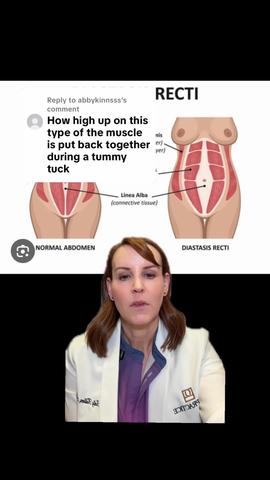
How High Up Do We Go When Repairing Diastasis in a Tummy Tuck?
October 17, 2025
Dr. Killeen explains how high the muscle repair extends in a tummy tuck — from pubic bone to rib margin — why diastasis is almost always present, why a strong core matters more than your faja, and the problem with wearing your garment for months too long.
Liposuction vs. Tummy Tuck — and Why Some Scars Are Longer Than Others
November 11, 2025
Dr. Killeen walks through how to choose between liposuction and a tummy tuck based on your anatomy, why some patients opt for lipo even when a tummy tuck is technically better, and how your body determines how long the tummy tuck scar will be.