Do Saline Implants Need Imaging Like Silicone Implants?
An expert clinician can diagnose things that you may not notice as a patient because it's happening slowly.
Do Saline Implants Need Imaging Like Silicone?
No — saline implants do not have the same imaging recommendations as silicone implants. But that doesn't mean they don't need monitoring.
Why Silicone Implants Require Imaging
Silicone implants can have what's called a silent rupture — the implant breaks, but you won't know right away because the silicone gel stays contained within the capsule. Over time, this can lead to problems like capsular contracture, but there are often no immediate symptoms. That's why regular imaging (MRI or ultrasound) is recommended starting at five years.
Why Saline Is Different
When a saline implant ruptures, you typically know right away because the implant goes flat. The saline (salt water) is safely absorbed by your body. Since the rupture is obvious, routine imaging isn't necessary to detect it.
Saline Implants Still Need Follow-Up
Even without imaging requirements, it's still very important to have regular exams with an experienced clinician. Here's why:
High Contracture Rates With Older Saline Implants
During the period when silicone implants were off the market (1992–2006), everyone was getting saline implants. Many of those were placed through areolar or axillary incisions, which carry a much higher risk of capsular contracture. Dr. Killeen finds that in her area, contracture rates for these older saline implants are actually quite high.
Slow Changes Are Easy to Miss
The changes that come with capsular contracture and other breast implant problems happen slowly — over months or years. As a patient, you may not even notice because it's so gradual. An expert clinician can diagnose things you might miss, which is one of the best reasons to keep up with follow-up appointments even when you feel fine.
Documentation Matters
It's important that your clinician properly documents what your implant feels like at each visit. If it feels different next year, that change can be caught early and addressed. A contracture caught at a mild stage is a much easier and less expensive problem to manage than a severe one.
The Bottom Line
No imaging is required for saline implants the way it is for silicone — but regular follow-up with an expert who examines and documents your implant status is still essential. Early detection of problems like contracture makes treatment simpler and outcomes better.
Your Journey to Renewed Confidence

Transform Your Life
Every person deserves to feel comfortable and confident in their own body. Our procedures aren't just about physical change. They're about reclaiming your life, your comfort, and your self-assurance.
Dr. Killeen and her team support you every step of the way, from your first consultation through recovery.
Take the first step toward the life you deserve.
Schedule Your ConsultationTransform Your Life
Every person deserves to feel comfortable and confident in their own body. Our procedures aren't just about physical change. They're about reclaiming your life, your comfort, and your self-assurance.
Dr. Killeen and her team support you every step of the way, from your first consultation through recovery.
Take the first step toward the life you deserve.
Schedule Your ConsultationRelated Articles
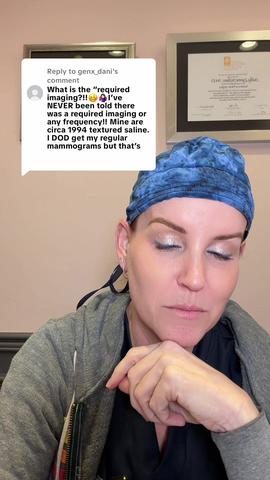
Breast Implant Imaging: What You Actually Need (and When)
October 23, 2025
Dr. Killeen breaks down the imaging recommendations for breast implants — why saline implants don't need routine monitoring, when and how often silicone implants should be imaged (MRI vs. ultrasound), why mammograms don't cover it, and what textured-implant patients need to watch for.

Breast Implant Screening: A Message to Primary Care and OB-GYN
December 5, 2025
Dr. Killeen calls on primary care doctors, OB-GYNs, and radiologists to improve breast implant screening — from ordering imaging to documenting exams to catching contractures early.
PSA: Get Your Silicone Implants Imaged Before Any Breast Surgery
April 22, 2026
Dr. Killeen explains why anyone with silicone breast implants heading to the OR for *any* breast procedure (revision, biopsy, lumpectomy, or a previous lift revision) should have an ultrasound or MRI first, and how it can change the surgery and unlock insurance coverage.