Fat Necrosis After Breast Reduction: Causes and Treatment Options
Fat necrosis isn't dangerous, but women typically don't like masses in their breasts — so we often remove them.
Fat Necrosis After Breast Reduction: What It Is and How We Treat It
Fat necrosis is a relatively common complication after breast reduction. Let's talk about what's happening and the ways we manage it.
What Is Fat Necrosis?
Fat necrosis happens when tissue loses its blood supply during surgery. That area of fatty tissue — and sometimes breast tissue — dies, and it frequently becomes hard. The area gets inflamed because your body doesn't like having a little wad of tissue that's no longer living.
Will It Go Away on Its Own?
Often with time, your body will eat it away — especially if it's small. You can help speed that along during the healing process by massaging the area to bring extra blood flow.
Non-Surgical Treatments
Beyond massage, there are a few things we can do to help:
Aeration
We poke the area multiple times with a needle. The idea is that by bringing blood flow and a small amount of controlled trauma, your body kickstarts its ability to break down the necrosis.
Steroid Injection
Sometimes the inflammation surrounding the necrotic area is actually what's preventing it from resolving. I've found that injecting steroids into the area can reduce that inflammation and help it go away in some cases.
When Do We Need to Remove It?
If you're pretty far out from surgery and still have an area of fat necrosis, we usually need to intervene. Fat necrosis isn't dangerous — it can stay — but women typically don't like masses in their breasts. We often remove them, especially if they're:
- Uncomfortable or painful
- Bothersome in clothing — like when a bra strap hits it in a certain spot
Surgical Removal Options
Traditional excision: We go to the operating room, make a small incision, and remove it — essentially a lumpectomy for a benign lesion.
Minimally invasive removal: Depending on where the lesion is, there's a device that works under ultrasound guidance through a small incision. It rotates with a blade and suction, breaking up the necrotic tissue and removing it through a tube. This can be a great option for the right patient.
The Bottom Line
Fat necrosis after breast reduction is relatively common and not dangerous. Many cases resolve on their own with time and massage. For persistent cases, we have options ranging from steroid injections to minimally invasive removal. Always go back to your original surgeon first for their input and advice.
Your Journey to Renewed Confidence

Transform Your Life
Every person deserves to feel comfortable and confident in their own body. Our procedures aren't just about physical change. They're about reclaiming your life, your comfort, and your self-assurance.
Dr. Killeen and her team support you every step of the way, from your first consultation through recovery.
Take the first step toward the life you deserve.
Schedule Your ConsultationTransform Your Life
Every person deserves to feel comfortable and confident in their own body. Our procedures aren't just about physical change. They're about reclaiming your life, your comfort, and your self-assurance.
Dr. Killeen and her team support you every step of the way, from your first consultation through recovery.
Take the first step toward the life you deserve.
Schedule Your ConsultationRelated Articles
Tethered Areola Scars: Causes and Treatment Options
January 3, 2026
Dr. Killeen explains why areola scars can become tethered after breast surgery, and walks through treatment options from cupping to fat grafting to surgical correction.
Capsular Contracture: Causes, Prevention, and Treatment
December 6, 2025
Dr. Killeen provides a comprehensive overview of capsular contracture — what causes it, how prevention has improved dramatically, and how modern treatment approaches are evolving.
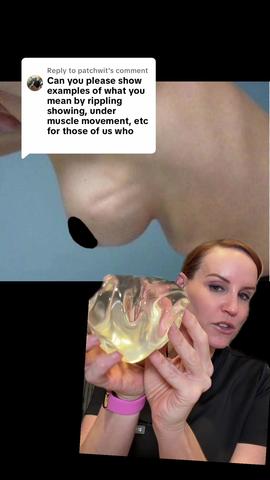
Breast Implant Rippling: What Causes It and How to Fix It
October 9, 2025
Dr. Killeen breaks down the three types of breast implant rippling — standard edge folds, bending-forward rippling, and traction rippling — and the realistic fixes including fat grafting, switching to a more cohesive implant, moving under the muscle, and why dermal matrix usually isn't the answer.