Gynecomastia in Adolescent Boys: Why We Usually Wait Before Operating
About half of adolescent boys have some degree of gynecomastia, and it almost always resolves on its own with time. We don't want to hop in and do surgery on a problem that would have solved itself. We always do non-surgical things first.
Gynecomastia in Adolescent Boys: Why We Usually Wait Before Operating
A great follow-up question came in after a video about breast reductions in young women: "What about boys? What happens if a young boy develops too much chest tissue?"
The development of too much breast tissue in boys is called gynecomastia, and the approach in adolescents is meaningfully different from breast reduction in girls. Here's how I think about it.
What Gynecomastia Is and When It Shows Up
Gynecomastia is the development of excess breast tissue in males. It shows up in a few distinct populations across the lifespan:
1. Newborns / Babies
Babies can have gynecomastia from the stimulation of their mother's hormones still circulating after birth. This resolves on its own as those hormones clear.
2. Adolescents
This is the population the question is really about. Gynecomastia is extremely common in adolescent boys — about half of adolescent boys will have some degree of it during puberty.
It happens because of the hormonal fluctuations of puberty — the balance between estrogen and testosterone shifts during development, and that can transiently stimulate breast tissue.
3. Older Men
At the other end of the lifespan, men can develop gynecomastia when they lose hormones with age (declining testosterone shifting the estrogen/testosterone balance).
Why We Rarely Operate on Adolescents
Here's the key point for adolescent gynecomastia:
In general, we rarely intervene surgically in adolescents, because most of these patients improve with nothing done.
Adolescent gynecomastia is usually a transient phase of puberty. As the patient continues to develop and the hormones settle into their adult balance, the breast tissue typically resolves on its own.
So we don't want to hop in and do surgery on a problem that would have solved itself with time. Operating prematurely means:
- Doing an unnecessary procedure
- Creating permanent scars
- Accepting the risks of surgery for a condition that was going to improve anyway
Patience is genuinely the right first move for most adolescent boys with gynecomastia.
What We Do First: Non-Surgical Approaches
Before considering any surgery, we work through several non-surgical steps.
1. Give It Time
The most important "treatment" is time. Most adolescent gynecomastia resolves over months to a couple of years as puberty progresses. We monitor rather than rush to intervene.
2. Review Medications
Certain medications are associated with gynecomastia. If a patient is on a commonly offending agent, it's worth seeing whether the medication can be changed or adjusted with their prescribing doctor. Sometimes the gynecomastia is being driven (or worsened) by a drug, and addressing that resolves the issue without surgery.
3. Address Marijuana Use
This one is worth flagging specifically: marijuana has been associated with gynecomastia.
- The studies on this aren't fantastic — the evidence is associational, not definitively causal
- But there is an observed association
- So if an adolescent patient with gynecomastia is using marijuana, I ask them to stop
It's a low-cost intervention that may help, and given the association, it's a reasonable thing to address before considering surgery.
A Common Look-Alike: Pseudogynecomastia
There's an important distinction to make, because not all chest fullness in boys is true gynecomastia:
True Gynecomastia vs. Pseudogynecomastia
- True gynecomastia = actual breast tissue (glandular) development
- Pseudogynecomastia = fatty tissue, not breast tissue, usually from obesity
Some adolescent patients who come in concerned about "gynecomastia" actually have pseudogynecomastia — they don't have glandular breast development, they have excess fatty tissue in the chest, typically related to overall body weight.
How We Handle Pseudogynecomastia
For these patients, the right path is usually not surgery either:
- We typically refer them back to their pediatrician to discuss weight management options and whether that's appropriate for them
- We don't typically have adolescents lose weight as a default — that has to be handled thoughtfully and age-appropriately
- But if a patient is obese, has chest fullness, and is distressed by it, a conversation with the pediatrician about healthy weight management may be worthwhile
Distinguishing true gynecomastia from pseudogynecomastia matters because the treatment paths are completely different — one might eventually need glandular removal, the other is really a weight/body-composition question.
When We Do Intervene
So when do we operate on adolescent gynecomastia? It's the exception, not the rule, but there are situations:
- The gynecomastia is persistent — it hasn't resolved after giving it adequate time (often into the later teen years)
- It's significant in amount
- The patient is genuinely distressed by it (the psychological impact is real and matters)
- Non-surgical approaches (time, medication changes, stopping marijuana, addressing weight) have been exhausted
- We're confident it's true glandular gynecomastia, not a transient phase or pseudogynecomastia
When surgery is warranted, it typically involves removing the glandular breast tissue (sometimes combined with liposuction for any fatty component). But again — this is the minority of cases. Most adolescent boys never need it.
The Parallel With Young Women
It's worth drawing the comparison to breast reduction in adolescent girls, since this question came from that context:
- For girls, the question is largely about maturity, completed development, and symptom burden — and we're often more willing to operate when development is complete and symptoms are significant
- For boys with gynecomastia, the calculus tips much more strongly toward waiting, because adolescent gynecomastia so often resolves on its own
The common thread in both: don't rush adolescent breast surgery. Make sure development is complete and non-surgical avenues are exhausted before committing a young person to a permanent procedure with permanent scars.
What Parents and Patients Should Know
If your adolescent son has developed chest tissue:
- It's extremely common — about half of adolescent boys have some degree of gynecomastia
- It usually resolves on its own with time as puberty progresses
- Review medications and marijuana use as potential contributors
- Distinguish true gynecomastia from pseudogynecomastia (breast tissue vs. fatty tissue)
- Surgery is rarely needed in adolescents and is reserved for persistent, significant, distressing cases after non-surgical avenues are exhausted
- Start with the pediatrician for evaluation, hormone considerations, and weight discussions if relevant
The distress is real for many boys, and I don't want to minimize that — but the kindest medicine is usually patience, because operating on something that would have resolved on its own means unnecessary scars and risk.
The Bottom Line
Gynecomastia (excess breast tissue) is very common in adolescent boys — about half have some degree of it during puberty — and it almost always resolves on its own with time. For that reason, we rarely operate on adolescents.
The approach is non-surgical first:
- Give it time (most resolves with puberty)
- Review medications that may be contributing
- Stop marijuana if applicable (there's an association)
- Distinguish true gynecomastia from pseudogynecomastia (fatty tissue from obesity, usually managed via the pediatrician)
We intervene surgically only occasionally — for persistent, significant, distressing cases where non-surgical approaches have been exhausted. We don't want to do surgery on a problem that would have solved itself.
If your son is dealing with this, start with the pediatrician, be patient, and know that for the vast majority of adolescent boys, this is a temporary phase of development rather than something requiring surgery.
Your Journey to Renewed Confidence

Transform Your Life
Every person deserves to feel comfortable and confident in their own body. Our procedures aren't just about physical change. They're about reclaiming your life, your comfort, and your self-assurance.
Dr. Killeen and her team support you every step of the way, from your first consultation through recovery.
Take the first step toward the life you deserve.
Schedule Your ConsultationTransform Your Life
Every person deserves to feel comfortable and confident in their own body. Our procedures aren't just about physical change. They're about reclaiming your life, your comfort, and your self-assurance.
Dr. Killeen and her team support you every step of the way, from your first consultation through recovery.
Take the first step toward the life you deserve.
Schedule Your ConsultationRelated Articles

Should Patients Record Their Own Surgeries?
December 3, 2025
Dr. Killeen discusses a viral case of a patient who secretly recorded her surgery — why patients want recordings, why secret recording is problematic, and better communication alternatives.

How We Actually Achieve Symmetry in a Breast Reduction
August 27, 2026
Dr. Killeen walks through the three things surgeons actually do to keep a breast reduction symmetric: symmetric preoperative markings, sitting the patient up on the operating table to check the work in progress, and weighing the tissue removed from each side. Plus why perfect symmetry does not exist and why before-and-after photos make you find asymmetries that were always there.
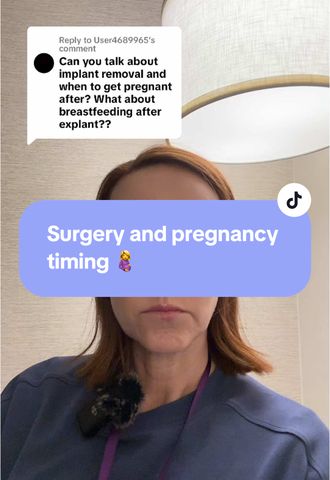
How Long Should You Wait After an Explant to Get Pregnant?
February 6, 2025
Dr. Killeen has had so many patients get pregnant right after an explant that her practice used to joke she was a fertility specialist. She explains why it is better to wait: pregnancy hormones cause engorgement, and if your explant involved a capsulectomy or a lift, that tissue needs to heal well first. She asks patients to wait three months, which also leaves time to handle any complications before a first trimester, and explains why breastfeeding risk is lowest with a simple implant removal.