How to Tell If Your Implants Are Over or Under the Muscle
When you push like this, it will push your implants to the side if they're under the muscle. That's the easiest test to do at home.
Don't Know If Your Implants Are Over or Under the Muscle?
This is actually a very common question. Many patients don't remember — or were never even told — whether their implants were placed over or under the muscle. Here's how to figure it out.
A Quick History Lesson
From a historical standpoint, implant placement trends have shifted over the decades:
- 1980s and early 1990s — it was more common for implants to be placed over the muscle (subglandular)
- Last 20+ years — it's been more common to place implants under the muscle (submuscular)
So the era when you had your surgery can give you a general clue, but it's not definitive.
The At-Home Test
There's a simple test you can do right at home:
- Get out of the shower (so you can see your chest clearly)
- Put your hands together in front of you — palms pressing against each other
- Push your hands together firmly — this activates your pectoralis major muscle
Your pectoralis major runs across your chest, attaching from the sternum to the humerus bone in your upper arm. When you push your palms together, it contracts.
What to Look For
- Implants move to the side when you push → they're under the muscle. The contracting pec is physically pushing the implants outward.
- You see a flicker of muscle motion but the implants stay in place → they're over the muscle. The muscle is contracting on top of or behind the implant without displacing it.
The Bottom Line
This palm-press test is the easiest way to check at home. If you're still unsure, your plastic surgeon can confirm placement with a physical exam or imaging.
Your Journey to Renewed Confidence

Transform Your Life
Every person deserves to feel comfortable and confident in their own body. Our procedures aren't just about physical change. They're about reclaiming your life, your comfort, and your self-assurance.
Dr. Killeen and her team support you every step of the way, from your first consultation through recovery.
Take the first step toward the life you deserve.
Schedule Your ConsultationTransform Your Life
Every person deserves to feel comfortable and confident in their own body. Our procedures aren't just about physical change. They're about reclaiming your life, your comfort, and your self-assurance.
Dr. Killeen and her team support you every step of the way, from your first consultation through recovery.
Take the first step toward the life you deserve.
Schedule Your ConsultationRelated Articles
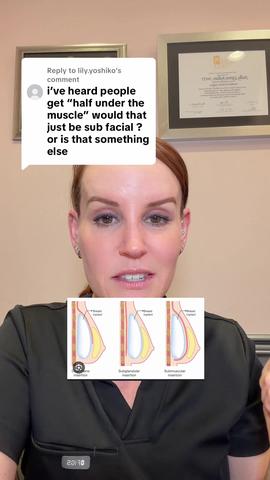
Subglandular, Submuscular, Dual Plane, Subfascial — Implant Placements Explained
October 21, 2025
Dr. Killeen breaks down the four most common breast implant placements — subglandular, submuscular, dual plane, and subfascial — what each one means anatomically, what the trade-offs are with animation deformity and biofilm, and how to think about which is right for you.
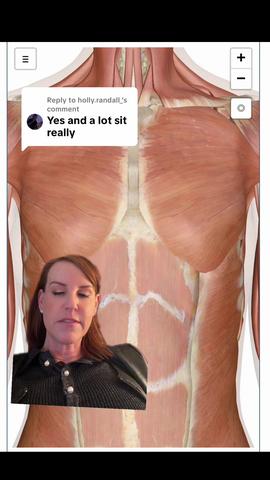
Do Submuscular Breast Implants Drift Apart Over Time? Yes — Here's Why
October 10, 2025
Dr. Killeen breaks down why submuscular breast implants tend to drift farther apart over time — the fixed sternal muscle attachment, repeated muscle force pushing the implant down and out, and the water-hammer effect of saline implants — and why it's a real but not universal risk.
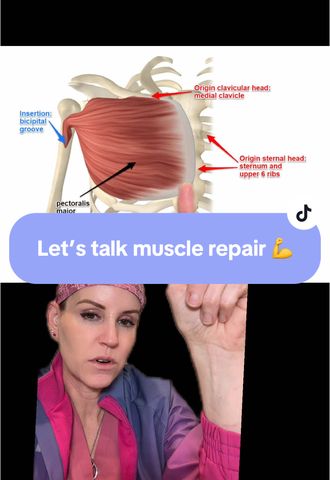
Muscle Repair During Implant Removal and Revision
March 26, 2025
Placing an implant under the pectoralis major requires detaching and stretching the muscle, and Dr. Killeen explains why that matters when the implant comes out: the unanchored muscle can make animation look worse after removal than it did with the implant in. She covers why she makes a point of repairing the muscle back to the chest wall during explant or a plane change, the technique (creating a raw surface by removing or roughing up the capsule, then heavy dissolvable sutures), and the problems she finds in revision cases including over-released muscle, split muscle, and the fibrotic wad from long-standing contractures.