Should Medical Creators Monetize Content and Take Brand Deals? A Defense.
Why should creators work for you for free? The platforms are making billions off all of us. Authentic brand deals — like surgeons promoting the scrubs we all already wear — are not problematic. The line is authenticity, expertise, and disclosure, not whether money ever changed hands.
Should Medical Creators Monetize Their Content and Take Brand Deals? A Defense.
I came across a video this week from a medical content creator who, at the end of his post, took a moment to point out that he doesn't monetize his content, doesn't take brand deals, and doesn't work with companies like FIGS — with a clear undertone of moral superiority. Apparently being a creator who also gets paid is the new shorthand for being a sellout.
I want to push back on this a little.
The Premise: "Monetizing Means You're Compromised"
The argument usually goes: a creator who monetizes their views or accepts brand deals can't be trusted because their content is "influenced by the money."
I get the concern. It's the same conversation people had with YouTubers in the early 2000s who started doing PR and sponsored videos. Audiences fairly asked: can I still trust what this person is telling me?
That's a fair question. But I think the answer to it has gotten more nuanced as the creator economy has matured, and I want to lay out where I actually land.
Monetization Is Just Getting Paid for the Work
Let's start with the simplest piece: monetization means the platform shares some ad revenue with you when people watch your videos.
A few things to know:
- The social media platforms (TikTok, Meta, YouTube, etc.) are making billions of dollars off the content their creators provide
- Allowing creators to participate in some of that revenue is a tiny fraction of their overall ad spend
- Monetization does not change what content the creator makes — they still make the same videos either way
- It's usually a few cents per view
Even in a strong month, what I make from monetization is around $200. That doesn't make me morally inferior to a creator who turns it off. It just means I get a small piece of what the platform is already earning off my labor.
The framing that monetization is somehow grubby ignores the underlying reality: creators are doing real work, and the platforms are making real money from it. Why should the only party not getting paid be the person actually creating the content?
"Why Should Creators Work for You for Free?"
Here's the part I really want people to sit with.
If you follow a creator, enjoy their content, and want them to keep making it — why do you want them to do it for free?
Making content takes:
- Time (often unpaid hours per video)
- Energy (especially with the demands of editing and short-form attention spans)
- Equipment (cameras, mics, editing software, lighting, etc.)
- Mental bandwidth (especially in medical content, where accuracy is non-negotiable and legal liability exists)
- Often a thick skin for the comments section
It seems perfectly reasonable to me that creators should be compensated for their labor, especially when the content they're producing is something the audience enjoys and benefits from.
Expecting them to do it for free is essentially asking them to subsidize the platforms — and you — out of their own pocket and free time.
My Take on Brand Deals
Brand deals are a step beyond monetization, and I have a slightly more nuanced view of them — but the short version is: authentic brand deals are fine, even good.
What Authentic Looks Like
If a creator is promoting something they already use and genuinely like, that's a healthy pattern.
A few examples:
- Surgeons wearing and promoting FIGS scrubs. We all wear scrubs in surgery. We have strong opinions about which ones we like. If a brand wants to pay a surgeon to talk about scrubs they were already wearing — what's actually objectionable about that?
- Skincare creators recommending products they actually have a skincare regimen built around
- Fitness creators talking about training equipment they actually use
Jen Hamilton once said in a video that she only does brand deals with things she was already using — and I think that's a really classy, ethical approach. It keeps the content authentic and respects the audience's trust.
When I see creators I enjoy doing brand deals like this, I support them. I'll buy their merch, try the product, click their links — because I want them to keep making the content I love, and I understand that this is how the bills get paid.
Where I Have a Problem
My issue isn't with brand deals. It's with grifting — creators selling everything under the sun, regardless of whether it's good, regardless of whether they've used it, regardless of whether it's relevant to their audience.
That's a different category. That's the creator who promotes:
- Random supplements with no evidence base
- Sketchy "skincare" with unsubstantiated claims
- Products outside their area of expertise (a plastic surgeon promoting financial software, for instance)
- Anything that pays, with no curation or filter
That kind of behavior does corrode trust, and the audience is right to be skeptical of it. But that's about how the brand deals are done — not whether they happen at all.
The Specific Genre I Want to Flag
Here's the part of the original video that bothered me the most. The medical creator who was performing this moral superiority routine?
He's kind of famous in the MedTok community for making videos diminishing other physicians — particularly women.
Not calling out unethical behavior, mind you. Not surfacing genuine safety concerns. Just that guy.
So claiming the moral high ground because you don't take FIGS sponsorships, while spending your platform tearing down your female colleagues, is a little wild. Whatever ethical concerns I might have about modern content creation, "a colleague who plays well with brands" is not even in the same zip code as "a colleague who builds his platform attacking women in his own field."
If you're going to be sanctimonious about creator ethics, the prerequisite has to be that you are behaving ethically. Otherwise it's just gatekeeping with extra steps.
My Concrete Position on Medical Creator Ethics
For what it's worth, here's where I actually land:
Things I think are fine
- Monetization of content (the platform is making money — creators should get a piece)
- Authentic brand deals with products the creator actually uses and would recommend regardless
- Sponsored content that's clearly disclosed as such
- Affiliate links to recommended products
- Selling courses, books, or services in your area of expertise
- Charging for individualized care (you're not obligated to give free medical advice in DMs)
Things I think are problematic
- Brand deals for products outside the creator's area of expertise — the cardiologist hawking a supplement, the dermatologist selling vitamins, the plastic surgeon selling investment software
- Promoting products without trying them
- Grifting broadly — saying yes to anything that pays
- Fear-mongering in order to drive personal practice volume
- Misrepresenting credentials or training to drive consults
- Taking payment to push pharmaceutical products without disclosure
- Selling fake screening tools like thermography or self-service MRI
The line, for me, is authenticity, expertise, and disclosure — not "did money change hands at any point in this transaction."
Why This Matters Beyond Vibes
I want to be clear: this isn't just an inside-baseball debate. It actually matters for the kind of medical content patients can access.
If we shame all medical creators out of accepting any compensation for their work, here's what happens:
- Only physicians with independent wealth can afford to make medical content
- Only physicians with massive existing practices can justify the time
- The diversity of voices producing medical education on these platforms collapses
- Audiences end up with fewer, less-resourced, less-sustainable sources of medical information
That's the opposite of what we want. Good medical content is genuinely valuable to patients, and creators who can sustain themselves making it — through monetization, ethical brand deals, and honest commerce — are a net positive for the public.
My Question Back to You
I'd love to hear what readers actually think:
- What kinds of brand deals do you think are appropriate for physicians on social media?
- Are there specific categories you find problematic?
- Does monetization itself bother you, or is it the type of monetization that matters?
And to FIGS, if you're reading this — call me. I have a closet full of your scrubs already. Let's talk.
The Bottom Line
Medical creators should be allowed to get paid for their work — through monetization, authentic brand deals, and ethical commerce — without being treated as morally compromised.
The ethical line in medical content isn't "did money ever change hands?" It's "did this creator behave authentically, within their expertise, and with disclosure?"
Anyone claiming the moral high ground because they don't accept FIGS sponsorships needs to make sure the rest of their conduct can withstand the same scrutiny. Because in my experience, the loudest voices about creator purity often have a much messier ledger when it comes to how they actually treat their colleagues, their patients, and their content.
Support the creators whose work you value. They're doing real labor for you.
Your Journey to Renewed Confidence
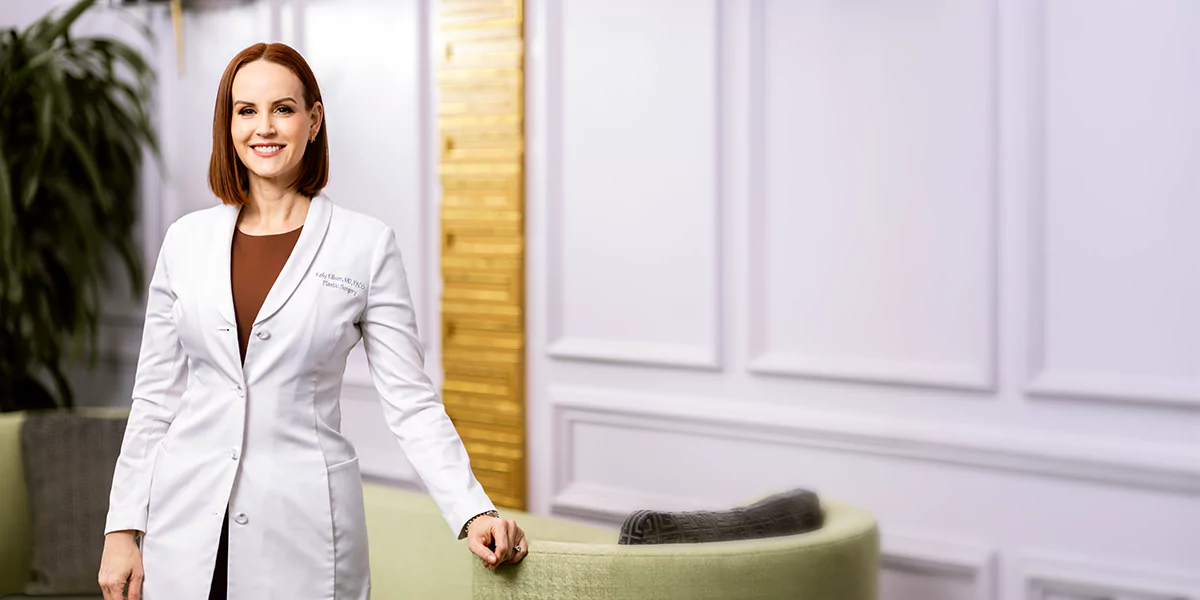
Transform Your Life
Every person deserves to feel comfortable and confident in their own body. Our procedures aren't just about physical change. They're about reclaiming your life, your comfort, and your self-assurance.
Dr. Killeen and her team support you every step of the way, from your first consultation through recovery.
Take the first step toward the life you deserve.
Schedule Your ConsultationTransform Your Life
Every person deserves to feel comfortable and confident in their own body. Our procedures aren't just about physical change. They're about reclaiming your life, your comfort, and your self-assurance.
Dr. Killeen and her team support you every step of the way, from your first consultation through recovery.
Take the first step toward the life you deserve.
Schedule Your ConsultationRelated Articles
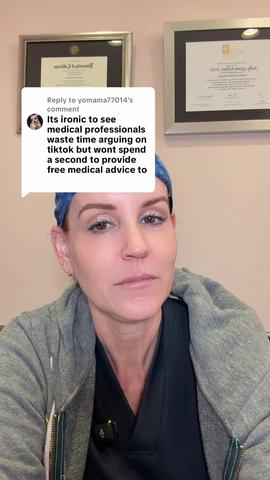
Why Doctors Don't Give Free Medical Advice on Social Media
October 20, 2025
Dr. Killeen responds to a common comment — "it's ironic that doctors argue on TikTok but won't give you free medical advice" — and explains why no responsible physician can safely give individualized medical advice through DMs, why it's a real legal liability, and what helpful use of medical content actually looks like.
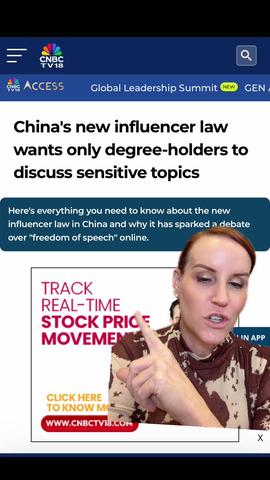
China's New "Influencer Law": Should Credentials Be Required to Post About Medicine?
November 3, 2025
Dr. Killeen breaks down China's new "Influencer Law" requiring credentials to post on social media about medicine, law, education, and finance — why it's interesting, where it falls short, and what a lighter-touch version might look like in the United States.
When a Physician Influencer Spreads Anti-Mammogram Misinformation: A Response
September 15, 2025
Dr. Killeen calls out a family-medicine physician spreading anti-mammogram content on TikTok — including the "expert" list backing her claims (a hypnotist, a health coach, and a physician selling unvalidated screenings) — and explains why this kind of physician-influencer misinformation is so dangerous heading into Breast Cancer Awareness Month.