Why I'm Not a Fan of Prenuvo and HerScan Self-Service Screenings
Access to information does not mean automatic expertise. I want patients to have high quality care and I want experts leading their care.
Why I'm Not a Fan of Direct-to-Consumer Screening Services
I know this is going to be controversial, but I'm not a big fan of Prenuvo. I put them in the same category as places like HerScan. Here's why.
Reason 1: Fear-Mongering
These companies often rely on fear-mongering to drive business. I don't like scaring people out of their money.
HerScan in particular tries to scare patients away from mammograms — which remain the gold standard for breast cancer screening. That kind of messaging is irresponsible and can harm patients who forgo evidence-based screening in favor of unproven alternatives.
Reason 2: They Remove You From the Doctor-Patient Relationship
These services create a relationship directly with you, cutting out your physician. When something abnormal is found, getting help from a doctor becomes complicated. Many of my patients have struggled to get appropriate follow-up care after a concerning result.
I'm a big advocate for proper screening — I just want you to have help when something is found. You deserve a physician advocate who can get you the right next steps.
All MRIs Are Not Created Equal
This is a critical point. Different MRIs are designed to look at different things. What your physician orders depends on:
- Your personal history
- What we're concerned about
- What we're specifically looking for
Prenuvo doesn't take any of this into account. They do a full-body MRI without contrast. Depending on your history and risk factors, this may not be the right screening test for you at all.
Patients walk away with a false sense of security — "I had a full-body MRI, I'm good!" — but it's not the best test for everything. You need the right test for the right thing.
Concerns About Read Quality
There's significant discussion in the medical community about the quality of the reads patients get from these services. The radiologists interpreting these scans aren't necessarily experts in every area being imaged.
There's also a notable lawsuit against Prenuvo where a patient claims something was missed on their scan. While that's still plaintiff's attorney territory, the concern is legitimate.
People With Symptoms Shouldn't Go Here
One of the biggest problems I see is patients with real concerns going to these services instead of seeing their physician. These places aren't set up to evaluate symptomatic patients.
Example: I had a patient go to HerScan with a concern. They told her she had ruptured implants — but she had actually had a mastectomy with mesh around her implants. There was no rupture at all. They didn't know what they were looking at. They shouldn't be evaluating patients with concerns in the first place.
The same risk applies at Prenuvo. These services are marketed as screening for healthy people, but they become problematic when used by people who need real diagnostic workups.
The Bigger Picture
I understand the frustrations with our healthcare system. Access is a real problem. People without insurance may feel this is the best they can do — that's a whole other conversation.
But in general: access to information does not equal expertise. I want patients to have high-quality care led by experts, so they get the best possible outcomes. I want you to have the right test, not just the test that a company sells you. And I want your doctor to help you when something is found.
The Bottom Line
- These services often fear-monger to drive sales
- They remove physicians from your care at exactly the moment you need one
- All MRIs are different — Prenuvo's no-contrast full-body scan isn't right for every situation
- Read quality is a real concern
- These places are not equipped for symptomatic patients
- You deserve expert-led care, not self-service medicine
Your Journey to Renewed Confidence
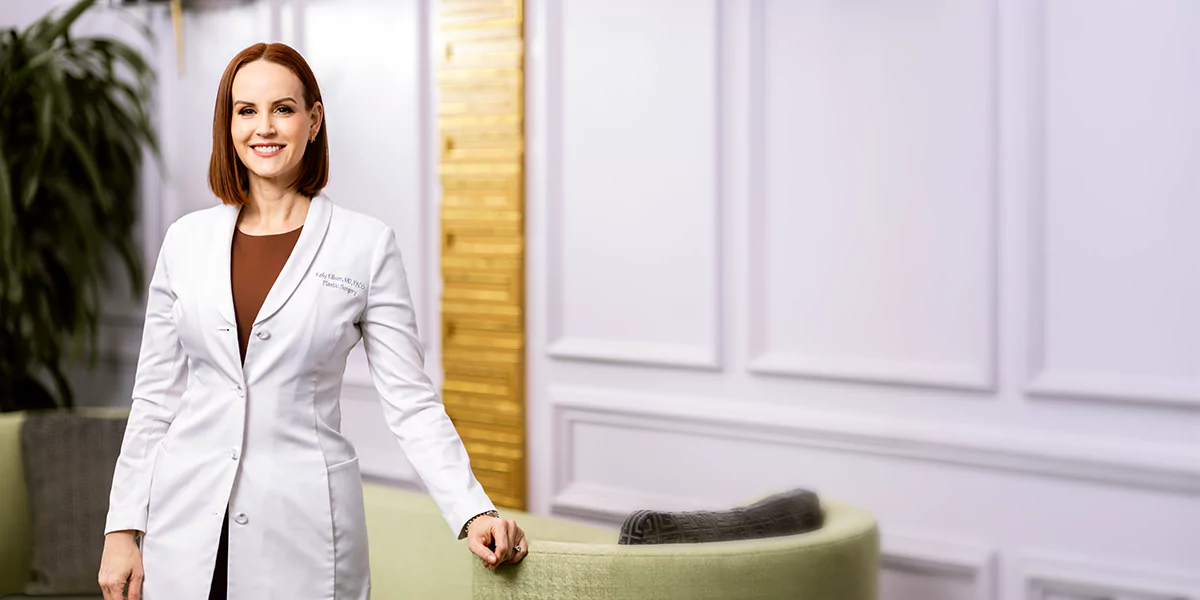
Transform Your Life
Every person deserves to feel comfortable and confident in their own body. Our procedures aren't just about physical change. They're about reclaiming your life, your comfort, and your self-assurance.
Dr. Killeen and her team support you every step of the way, from your first consultation through recovery.
Take the first step toward the life you deserve.
Schedule Your ConsultationTransform Your Life
Every person deserves to feel comfortable and confident in their own body. Our procedures aren't just about physical change. They're about reclaiming your life, your comfort, and your self-assurance.
Dr. Killeen and her team support you every step of the way, from your first consultation through recovery.
Take the first step toward the life you deserve.
Schedule Your ConsultationRelated Articles
Why Thermograms Don't Work for Cancer Screening
January 5, 2026
Dr. Killeen explains why thermography is not an effective screening tool for breast cancer or any cancer, and why the right test for the right condition matters.
How Do Breast Implants Affect Your Cancer Screening? (And What VeriScan Is)
July 31, 2025
Dr. Killeen explains how breast implants actually affect mammogram screening — why the theoretical concerns about over-the-muscle placements haven't materialized in real-world cancer outcomes, when your radiologist should add ultrasound or MRI, and the new VeriScan breast CT technology that may change implant patient screening.
Should You Skip a Tummy Tuck in Case You Need a DIEP Flap Later?
January 6, 2026
Dr. Killeen pushes back on the advice to avoid tummy tucks or liposuction in case of future breast reconstruction — and explains why most women will never need a DIEP flap.