Surgeon Sues Surgery Center in Rachel Tussey Case: An Unusual Development
I have never seen a plastic surgeon or a surgeon of any type go after the rest of the team after a poor outcome with a patient.
An Unusual Development in the Rachel Tussey Case
Many people remember the tragic case of Rachel Tussey, a TikTok influencer who passed away following a mommy makeover procedure. There's now an unusual development: her surgeon, Dr. Tork, is suing the surgery center and the anesthesia group — not the patient's family, but the facility and team that worked alongside him.
Dr. Killeen has never seen this before, and it raises a lot of questions about what actually happened that day.
What the Lawsuit Claims
Dr. Tork filed a civil lawsuit seeking damages in excess of $25,000 for each claim, including:
- Breach of contract
- Negligent hiring
- Hiring, retention, and supervision of staff
His claims include several striking allegations:
Medication Dosages
The lawsuit states that the anesthesiologist said the patient was a "lightweight" and only required 100 mics of fentanyl through the entire nine-hour surgery. Despite this, she was reportedly given 150 mics of fentanyl and half a milligram of Dilaudid in a short period of time in the recovery room.
Alleged Records Tampering
Dr. Tork states that when he returned to the same surgery center for another procedure on March 2nd, the paperwork for Rachel's case was different than what he had seen before. He alleges the staff fabricated dosages and timing in an attempt to cover up errors.
Accidental Email
He also claims he received an email from the surgery center that was intended for a different doctor — and that email allegedly indicated staff were actively purging files related to Rachel's case.
The Surgery Center's Response
The surgery center released a statement pushing back on the lawsuit. Key points include:
- They called it "unfortunate and somewhat shocking" that Dr. Tork is positioning himself as the victim in a case where the Tussey family tragically lost Rachel
- They say an independent review by an anesthesiologist and forensic pathologist found the medication dosages appropriate
- The Ohio Board of Pharmacy also reviewed the records and found the dosing appropriate
- The family declined an autopsy, which could have provided more information
- The nurses caring for Rachel after surgery were former ER nurses, ACLS certified, and performed what the center describes as heroic measures
- They deny purging or changing any records
The Tussey family's legal team has stated they are prepared to pursue aggressive legal action on the family's behalf. The anesthesia group declined to comment.
Why This Is So Unusual
Dr. Killeen has never seen a surgeon sue the rest of the surgical team after a poor patient outcome. Typically, when things go wrong, it's the patient's family that sues everyone involved — not the operating surgeon going after the surgery center or anesthesia group.
This dynamic raises questions that legal experts will need to weigh in on.
Why Objective Evidence Matters
Dr. Killeen prefers not to speculate about what actually happened in cases like this. Here's why:
The best path to understanding the truth is through objective evidence from independent reviewers who have no stake in the outcome — the medical board, the courts, and independent medical experts. That process takes time, but it's the most fair approach for everyone involved: the doctors, the nurses, and most importantly, the family.
The Bottom Line
What we know for certain is that this was a terrible tragedy that should never have happened. It deserves aggressive investigation so that if anything preventable occurred, it can be prevented from ever happening again. The full story will likely emerge through the legal and medical review processes — and at that point, there may be lessons for the entire plastic surgery community.
Your Journey to Renewed Confidence
Transform Your Life
Every person deserves to feel comfortable and confident in their own body. Our procedures aren't just about physical change. They're about reclaiming your life, your comfort, and your self-assurance.
Dr. Killeen and her team support you every step of the way, from your first consultation through recovery.
Take the first step toward the life you deserve.
Schedule Your ConsultationTransform Your Life
Every person deserves to feel comfortable and confident in their own body. Our procedures aren't just about physical change. They're about reclaiming your life, your comfort, and your self-assurance.
Dr. Killeen and her team support you every step of the way, from your first consultation through recovery.
Take the first step toward the life you deserve.
Schedule Your ConsultationRelated Articles
Outpatient Surgery Center vs Hospital: Which Is Safer for Cosmetic Surgery?
March 30, 2026
Dr. Killeen explains why freestanding ambulatory surgery centers have better outcomes and lower costs than hospital-based centers for cosmetic procedures, plus her stance on anesthesiologist-led care.
Why Didn't the OR Team Stop Surgeon Thomas Shaknovsky?
April 16, 2026
Dr. Killeen answers the most common follow-up question about the Shaknovsky case: why didn't the other staff in the operating room stop him? She breaks down who's in the OR, what they do, and why they often can't see what the surgeon is doing.
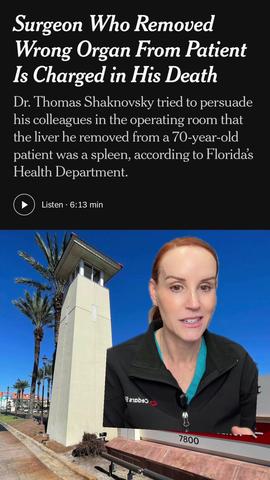
Surgeon Thomas Shaknovsky Charged With Manslaughter: What Actually Happened
April 15, 2026
Dr. Killeen reacts to the news that surgeon Thomas Shaknovsky has been charged with manslaughter after removing a patient's liver instead of his spleen — and explains why this case is beyond a normal surgical complication.