What We Inject Into Problematic Scars: Kenalog vs. 5-FU
Kenalog can overdo its job — a thickened scar can become wider, flatter, or even sink in and become atrophic. In my opinion, 5-FU is a little safer, but you need less of it.
What Do We Inject Into Problematic Scars?
If you've ever looked into getting a hypertrophic scar or keloid treated, you've probably heard that your surgeon or dermatologist can inject medications directly into the scar to improve it. What's actually in that syringe — and how do those medications differ?
We typically start with one of two medications: a steroid or a chemotherapy medication called 5-FU. Both can be extremely effective, and both have their trade-offs.
Option 1: Kenalog (Triamcinolone) — The Steroid
Kenalog is probably the most commonly used steroid injected into scars. It works by turning off inflammation in the scar tissue, which in turn softens and flattens the scar over time. For most patients, it works pretty well.
The Two Main Problems With Kenalog
Kenalog is effective, but it has two well-known downsides worth understanding:
1. Overcorrection: Widening and Sinking
Kenalog can essentially overdo its job. A thickened, raised scar can become:
- Wider than it was originally
- Flatter than it should be
- Sunken in — turning into an atrophic scar (a scar that dips below the surrounding skin)
So instead of a raised scar, you can end up with a depressed one. Not a great trade.
2. Hypopigmentation
Where the steroid is injected, the skin can lose pigment and develop a white or lighter spot compared to the surrounding skin. This is more common — and more noticeable — in patients with medium to darker skin tones.
Option 2: 5-FU — The Chemotherapy Medication
5-FU (5-fluorouracil) is a chemotherapy medication that slows rapidly dividing cells. Scars that are actively building too much collagen fit that description — so 5-FU works well to calm them down.
In my opinion, 5-FU is a little safer than Kenalog. It doesn't carry the same risk of hypopigmentation or overcorrection into an atrophic scar.
The Main Problem With 5-FU
The main complication I see with 5-FU is scabbing or ulceration on the surface of the scar when too much is injected. This is relatively uncommon when it's done carefully — but it happens most often to people transitioning from steroid injections to 5-FU.
Here's why:
- With steroid injections, we often inject a lot — enough that the scar blanches (turns white) under pressure.
- That same heavy-handed technique applied to 5-FU can drive scabbing and ulceration.
- 5-FU simply needs less volume to work effectively.
If your injector is thoughtful about switching techniques between the two medications, you typically avoid this problem.
How Often Are These Injections Done?
Both medications usually need multiple sessions to get the scar where you want it. The key is spacing:
- Leave 3 to 6 weeks between injections
- Effects often don't show for 1 to 2 weeks after a session
- Injecting too close together makes it easier to overdo it
The slow, patient pace is part of what protects you from the overcorrection problems above. Rushing the schedule is usually counterproductive.
Which One Is Right for You?
That comes down to:
- Your scar type (hypertrophic, keloid, mixed)
- Your skin tone (more cautious with Kenalog if there's hypopigmentation risk)
- Your response to the first few injections — if one medication isn't behaving the way we want, switching to the other is reasonable
- Your injector's comfort with each medication
In my practice, I tailor the choice to each patient, and I'm often willing to move between the two over the course of treatment to get the best result.
The Bottom Line
The two main medications injected into problematic scars are Kenalog (steroid) and 5-FU (chemotherapy). Kenalog works well but carries risks of widening, atrophy, and hypopigmentation. 5-FU tends to be safer in my hands, with scabbing being the main risk — usually when technique isn't adjusted from a steroid-injection mindset. Either way, patience is key: space injections 3 to 6 weeks apart, watch for effects to build over time, and don't let anyone rush the schedule.
Your Journey to Renewed Confidence

Transform Your Life
Every person deserves to feel comfortable and confident in their own body. Our procedures aren't just about physical change. They're about reclaiming your life, your comfort, and your self-assurance.
Dr. Killeen and her team support you every step of the way, from your first consultation through recovery.
Take the first step toward the life you deserve.
Schedule Your ConsultationTransform Your Life
Every person deserves to feel comfortable and confident in their own body. Our procedures aren't just about physical change. They're about reclaiming your life, your comfort, and your self-assurance.
Dr. Killeen and her team support you every step of the way, from your first consultation through recovery.
Take the first step toward the life you deserve.
Schedule Your ConsultationRelated Articles
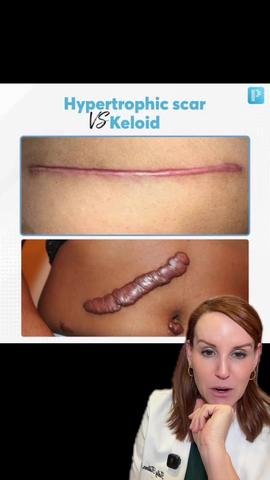
Hypertrophic vs. Keloid Scars — and How They Look on Darker Skin
November 10, 2025
Dr. Killeen explains the difference between hypertrophic scars and keloids, and how they can behave differently on darker skin — including pigmentation that often layers on top of the raised scar and how to treat both issues together.
How to Treat Bad Scars After a Breast Reduction
November 4, 2025
Dr. Killeen walks through how hypertrophic and keloid scars behave after a breast reduction, how to spot them early, and the step-by-step treatment plan — from silicone and injection therapy to scar revision and low-dose radiation in severe cases.
You Got a Keloid From One Surgery. Does That Mean Every Surgery Will Keloid?
May 9, 2025
Dr. Killeen reassures patients that a keloid from a prior surgery usually does not mean every future surgery will scar badly. She explains why certain areas (C-sections, shoulders, central chest, back, knees) scar thick more often while breast surgery scars behave better, what surgeons do in the OR to prevent it, why she follows up more aggressively with bad scarrers, and how a Prevena vac plus early silicone and lasers help.