Are Smooth Implants Better Than Textured? My Definitive Answer
Yes, smooth implants are superior to textured, for one reason and one reason alone: they are not going to give you that rare lymphoma. It comes down to microns. Smooth is 0 to 2, Motiva SmoothSilk is 4 and behaves the same, and macro-textured is 40 to 90. There has never been a documented case of primary ALCL in a smooth or Motiva surface.
Are Smooth Implants Better Than Textured? My Definitive Answer
I'm going to do something I almost never do: answer a question definitively. I usually live in nuance, but on this one I'll plant my flag.
Yes, smooth implants are superior to textured implants, for one reason and one reason alone: they are not going to give you that rare lymphoma. Full stop.
Let me explain exactly what I mean, where Motiva fits in, and why the micron numbers are the whole story.
The "One Reason" Is BIA-ALCL
The lymphoma I'm talking about is BIA-ALCL (breast implant–associated anaplastic large cell lymphoma). It's rare, but it's real, and the single biggest thing we know about it is that it has been driven by surface texture. The more aggressively textured the implant surface, the higher the signal.
That's why, on the specific question of "smooth vs. textured," I can be unusually black-and-white: choosing a smooth surface takes that rare lymphoma risk off the table in a way textured surfaces don't. For the full picture of the rare cancers associated with implants, including BIA-ALCL and BIA-SCC, I've broken those down separately, but for this comparison, ALCL is the deciding factor.
It's All About Microns
Here's the part most people miss. "Textured" isn't one thing, it's a spectrum, and the depth of the texture in microns is what actually matters:
- Smooth implants: roughly 0 to 2 microns
- Motiva SmoothSilk: about 4 microns (technically a very fine texture)
- Macro-textured implants: roughly 40 to 90 microns
And this is the key point: I include Motiva SmoothSilk in the "smooth" category. A 4-micron surface and a 0-to-2-micron surface behave the same way. They are worlds apart from the 40-to-90-micron macro-textured implants that drove the ALCL signal in the first place. I've made this exact point before, that Motiva's SilkSurface is not the same as a macro-textured implant, and the micron math is why.
There has never been a documented case of primary ALCL in either a true smooth implant (0-2 micron) or in the Motiva 4-micron surface.
That's a significant fact, and it's why I group them together.
Addressing the "Motiva Has Only Been Around a Year" Claim
A lot of the BII community online pushes back on Motiva by saying something like, "That implant's only been on the market for a year, we don't know enough yet."
That's simply not accurate. Motiva has been used around the world for over 15 years. And smooth implants more broadly have been around for many, many decades. So the idea that we're working with brand-new, untested technology with no track record is just wrong. We have a long real-world history with both of these surfaces.
An Honest Caveat
I always want to be straight with you, so here's the honest qualifier: it is certainly always possible that we could see cases of primary ALCL in either smooth or Motiva implants in the future. I'm not going to promise you something the data can't.
But as it stands today, in 2026, there have been no documented primary ALCL cases in true smooth implants or in the Motiva 4-micron surface. I'll always update my position if the evidence changes, that's what being evidence-based actually means, but I'm telling you where the data sits right now.
What I Use and Recommend
Given all of that, my position is straightforward:
- Smooth (including Motiva SmoothSilk): yes. This is what I use and recommend.
- Macro-textured (40 to 90 microns): no. I don't use those in my practice, and I don't recommend them.
The macro-textured surfaces are the ones tied to the ALCL signal, so for that one reason, I consider smooth implants the superior choice. If you're weighing your specific Motiva options, that's a great conversation to have at a consultation, but on the smooth-vs-macro-textured safety question, I'm comfortable being definitive.
The Bottom Line
Smooth implants are superior to textured implants for one reason: BIA-ALCL. That rare lymphoma has been driven by aggressive surface texture, and choosing a smooth surface takes it off the table.
- It comes down to microns: smooth is 0-2, Motiva SmoothSilk is 4 (and behaves like smooth), and macro-textured is 40-90.
- There has been no documented primary ALCL in smooth or Motiva surfaces.
- The "Motiva is brand new" claim is false, it's been used worldwide for 15+ years, and smooth implants for decades.
- Future cases are always possible, but as of 2026, the data supports smooth.
I don't use or recommend macro-textured implants, and on this particular question, I'm happy to be as definitive as I ever get. Don't let online fear-mongering talk you out of an implant with a long, well-documented safety record.
Your Journey to Renewed Confidence
Transform Your Life
Every person deserves to feel comfortable and confident in their own body. Our procedures aren't just about physical change. They're about reclaiming your life, your comfort, and your self-assurance.
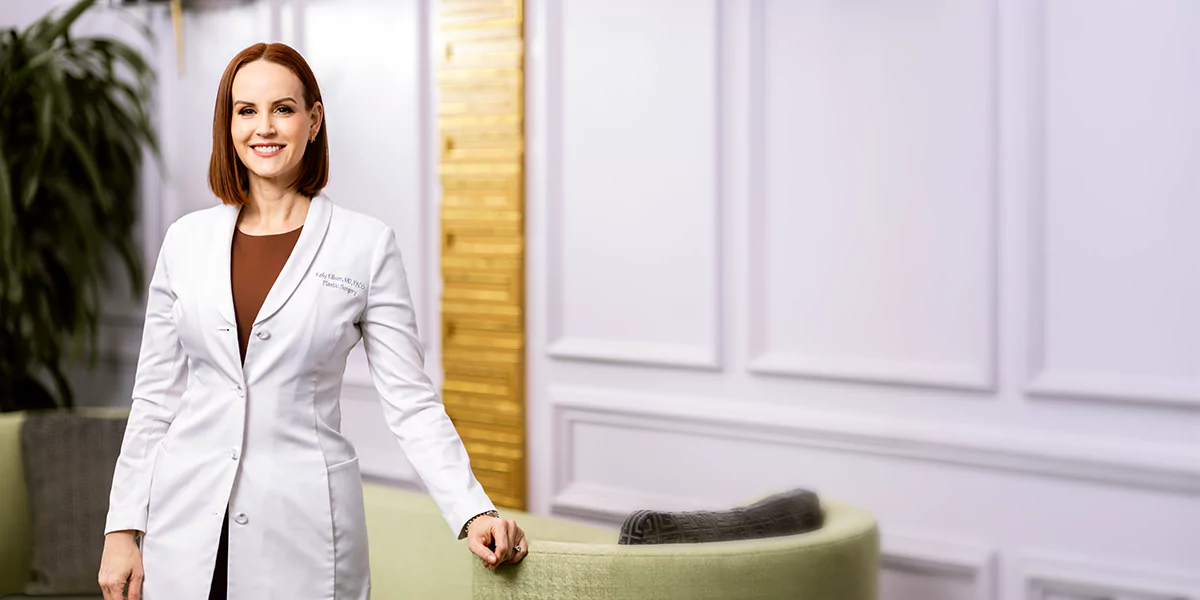
Dr. Killeen and her team support you every step of the way, from your first consultation through recovery.
Take the first step toward the life you deserve.
Schedule Your ConsultationTransform Your Life
Every person deserves to feel comfortable and confident in their own body. Our procedures aren't just about physical change. They're about reclaiming your life, your comfort, and your self-assurance.
Dr. Killeen and her team support you every step of the way, from your first consultation through recovery.
Take the first step toward the life you deserve.
Schedule Your ConsultationRelated Articles
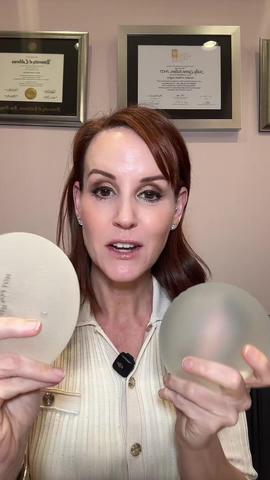
Motiva's SilkSurface Texturing Is Not the Same as Macro-Textured Implants — Here's Why ALCL Risk Is Different
July 24, 2025
Dr. Killeen clears up the misinformation around Motiva implants and BIA-ALCL. The Motiva SilkSurface is 4 microns deep — dramatically closer to a smooth implant than to the 90-micron macro-textured implants that drove the ALCL signal. Plus why some of the loudest anti-Motiva voices online are clinicians who can't use it.
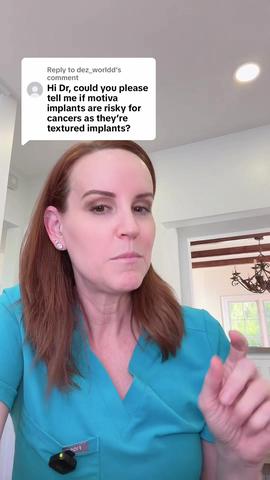
Breast Implants and Cancer Risk: BIA-ALCL, BIA-SCC, and Motiva Implants
March 27, 2026
Dr. Killeen explains the two rare cancers associated with breast implants — BIA-ALCL and BIA-SCC — and why Motiva smooth cell implants appear to be safe.
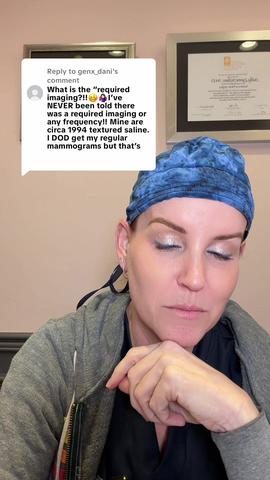
Breast Implant Imaging: What You Actually Need (and When)
October 23, 2025
Dr. Killeen breaks down the imaging recommendations for breast implants — why saline implants don't need routine monitoring, when and how often silicone implants should be imaged (MRI vs. ultrasound), why mammograms don't cover it, and what textured-implant patients need to watch for.