What to Do If You Have Complications After Surgery
The difference is when complications happen with a surgeon that is there with you, they can help you manage them.
What to Do If You're Having Complications After Surgery
Dr. Killeen receives multiple comments and DMs every day from patients asking for help with complications from surgery done outside the United States. While she can't provide medical advice through social media, this highlights a major issue — patients left without proper follow-up care and unsure where to turn.
Step 1: Call Your Surgeon
The first thing you should always do is contact the surgeon who performed your procedure. Your individual surgeon knows you, knows exactly what they did, and is the best person to help you manage any complications.
Step 2: See Another Surgeon
If your surgeon is not available or not helpful, the next step is to get an opinion from another surgeon who performs the same type of surgery you had.
Important to know: this will be a visit you need to pay for. You're now asking a different surgeon for their time and expertise — not the one you originally paid for your surgery. Many patients get frustrated about this, but it's the reality of seeing a new provider to manage complications.
This can be challenging because surgeons frequently don't want to take on complications from other surgeons' work.
Step 3: Go Through Your Primary Care Doctor
If you're having difficulty finding a surgeon willing to see you, go through your primary care doctor. Your PCP will have surgeons they regularly refer to and work with, and they're more likely to help connect you with someone who can manage your complication.
The Bigger Issue: Medical Tourism
Complications can happen absolutely anywhere — but the critical difference is having a surgeon who is there with you to help manage them. When surgery is done far from home or out of the country, patients can be left without access to the care they need when something goes wrong.
This is one of the most important things to consider when choosing where to have surgery. The emergency room is generally not the best option for most surgical complications — you need a surgeon who understands the procedure and can provide appropriate follow-up care.
Your Journey to Renewed Confidence

Transform Your Life
Every person deserves to feel comfortable and confident in their own body. Our procedures aren't just about physical change. They're about reclaiming your life, your comfort, and your self-assurance.
Dr. Killeen and her team support you every step of the way, from your first consultation through recovery.
Take the first step toward the life you deserve.
Schedule Your ConsultationTransform Your Life
Every person deserves to feel comfortable and confident in their own body. Our procedures aren't just about physical change. They're about reclaiming your life, your comfort, and your self-assurance.
Dr. Killeen and her team support you every step of the way, from your first consultation through recovery.
Take the first step toward the life you deserve.
Schedule Your ConsultationRelated Articles
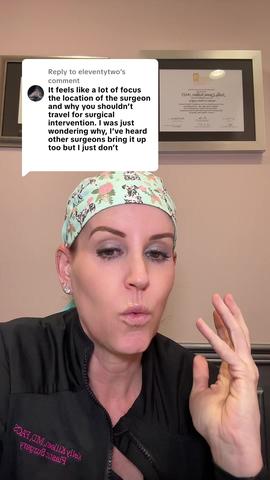
Why Leaving Your Area for Surgery Is a Real Problem — Even Inside the U.S.
July 29, 2025
Dr. Killeen walks through the structural reasons medical tourism — both international and within the U.S. — is genuinely a higher-risk choice. Including the role of post-op care in a successful outcome, why complications don't wait for flights, and why local surgeons typically won't take on another surgeon's tourism patient.
Your Surgeon Should Never Abandon You After a Complication
December 2, 2025
Dr. Killeen explains why surgical complications are always in a surgeon's scope of practice, the red flags of being abandoned after surgery, and why you should ask "what if?" before any procedure.

Pushing Back on the Standard Medical Tourism Defenses (From Costa Rica)
July 18, 2025
Dr. Killeen — currently in Costa Rica training with international colleagues — pushes back on the four standard medical tourism defenses she sees in every comment section: "complications happen anywhere," "you're xenophobic," "surgery is just cheaper there," and "I'm a nurse in a border city and never see problems."