Why Breast Exams and Implant Care Matter More Than You Think
Mortality is not the only endpoint. Our patients' quality of life matters.
Mortality Is Not the Only Endpoint
Whenever Dr. Killeen talks about mammograms or breast exams, there are always naysayers who claim these screenings don't decrease mortality in women with breast cancer. But mortality is not the only endpoint — and living through cancer isn't the only thing that matters.
Catching things early means:
- Less treatment — potentially no chemo, potentially no radiation
- Less invasive surgery — lumpectomy instead of mastectomy
- Better quality of life — avoiding the extensive physical and emotional toll of advanced-stage treatment
Even if a patient survives either way, shouldn't we want them to avoid all of that if possible?
Patients Don't Always Notice Problems
There's a common argument that if something is symptomatic, doctors will catch it. But that's not screening — that's reactive care. Patients frequently don't notice things on their own. Dr. Killeen regularly sees patients with cancers found on mammography who have visible lesions they never noticed because the mass grew slowly over a couple of years. And sometimes the clinician who ordered the mammogram never even examined them.
We can't expect patients to be clinicians. Good care for women means we examine them — proactively and thoroughly.
The "Harm" Argument Is Backwards
Critics often point to the "harm" of screening — typically an unnecessary biopsy. But what about the harm of missing things? What about the chemotherapy a patient might not have needed if the cancer was caught earlier? What about the more extensive surgery? We're focused on the wrong things when we weigh a biopsy against months of avoidable treatment.
Breast Surgeons: Address Implants When You're Already Operating
Building on the screening discussion, there's another critical gap in care: breast implants are often ignored by doctors other than plastic surgeons.
Every doctor who examines breasts should know what a normal implant exam looks like and what screening is appropriate. But this is especially important for breast surgeons who are taking patients with implants to the operating room.
The Problem
Dr. Killeen regularly sees patients with breast masses — cancer or benign — who were taken to surgery with problematic, aging implants, and nothing was done to address the implant. This is a missed opportunity. When a patient is already undergoing breast surgery for a mass, it's the perfect time to also address implant issues, and insurance coverage is often easier to obtain in this setting.
A Real-World Example
This year alone, Dr. Killeen has seen multiple patients who had a lumpectomy for breast cancer followed by radiation — all while having 20+ year-old implants with capsular contractures that were never addressed. Now these patients have horrible contractures in radiated tissue, making treatment far more difficult than it needed to be.
What Should Happen
Breast surgeons: if your patient has implants, please:
- Find out the age of the implants
- Assess for capsular contracture
- Get a plastic surgeon involved so you can work together for better patient outcomes
Don't make coverage or cost decisions for your patients. Give them the information, involve the right specialists, and let the patient decide. They deserve an adequate exam, a plastic surgeon's input, and the chance to avoid living in pain with preventable problems.
Your Journey to Renewed Confidence

Transform Your Life
Every person deserves to feel comfortable and confident in their own body. Our procedures aren't just about physical change. They're about reclaiming your life, your comfort, and your self-assurance.
Dr. Killeen and her team support you every step of the way, from your first consultation through recovery.
Take the first step toward the life you deserve.
Schedule Your ConsultationTransform Your Life
Every person deserves to feel comfortable and confident in their own body. Our procedures aren't just about physical change. They're about reclaiming your life, your comfort, and your self-assurance.
Dr. Killeen and her team support you every step of the way, from your first consultation through recovery.
Take the first step toward the life you deserve.
Schedule Your ConsultationRelated Articles

Breast Implant Screening: A Message to Primary Care and OB-GYN
December 5, 2025
Dr. Killeen calls on primary care doctors, OB-GYNs, and radiologists to improve breast implant screening — from ordering imaging to documenting exams to catching contractures early.
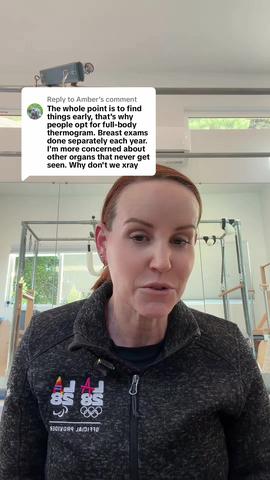
Why Thermograms Don't Work for Cancer Screening
January 5, 2026
Dr. Killeen explains why thermography is not an effective screening tool for breast cancer or any cancer, and why the right test for the right condition matters.
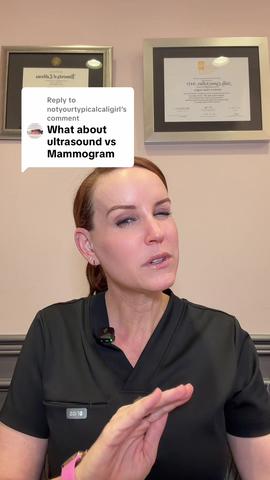
Mammogram vs. Ultrasound for Breast Cancer Screening: It's Not Either/Or
October 8, 2025
Dr. Killeen clears up the confusion: mammogram is the gold standard for breast cancer screening because it's the only test that reliably catches microcalcifications. Ultrasound is a valuable addition for dense breasts, but never a replacement.