Your Surgeon Should Never Abandon You After a Complication
You can teach anyone to operate, but you can't teach them how to manage complex complications or how to be a good person.
Your Surgeon Should Never Abandon You After a Complication
Some of Dr. Killeen's most-viewed videos are about surgical complications — seromas, necrosis, infections. And every week, she receives DMs and emails from patients struggling with these problems who aren't getting help from their own surgeon.
If you're being forced to DM a random surgeon on social media for help with your surgical complication, that's a serious red flag about the care you're receiving.
Where These Patients Are Coming From
Almost every patient who reaches out to Dr. Killeen with an unmanaged complication falls into one of two categories:
1. Medical Tourism / Far-Away Surgery
The patient had surgery overseas or far from home (often in Florida) and either can't afford to travel back or the surgeon isn't willing to see them.
2. High-Volume Budget Clinics
The patient went to a "chop shop" — a high-volume, low-cost chain plastic surgery clinic where follow-up care is minimal or nonexistent.
Ask "What If?" Before Surgery
It's critical to have this conversation with your surgeon before any procedure:
- What happens if I have a complication?
- Where do I go?
- Who do I contact?
When everything goes great, anyone can look like a good surgeon. The real test is what happens when something goes wrong. Make sure you understand your surgeon's plan for managing complications before the scalpel comes out.
"Out of My Scope of Practice" Is Not True
Another alarming pattern: patients tell Dr. Killeen that their surgeon is claiming complications like seromas, necrosis, or infections are "out of their scope of practice."
This is absolutely false. Literally anything that happens after surgery is within the operating surgeon's scope of practice. Good surgeons manage everything that happens after surgery. And if something requires additional expertise, they are the ones who should be calling in consultants and coordinating your care — not leaving you to figure it out alone.
Why DMs Can't Help
Dr. Killeen genuinely wishes she could help every patient who reaches out, but giving medical advice through DMs is:
- Not safe — she doesn't know your history, your procedure, or what's going on
- Not legal — providing medical advice without a proper examination creates liability for everyone
What patients need is an in-person evaluation with a surgeon who can examine them, review their surgical records, and create a treatment plan.
The Bottom Line
You can teach anyone to operate, but you can't teach them how to manage complex complications — or how to be a good person. Before having surgery, make sure your surgeon is someone who will be there for you no matter what happens. A surgeon's character shows not when things go right, but when things go wrong.
Your Journey to Renewed Confidence
Transform Your Life
Every person deserves to feel comfortable and confident in their own body. Our procedures aren't just about physical change. They're about reclaiming your life, your comfort, and your self-assurance.
Dr. Killeen and her team support you every step of the way, from your first consultation through recovery.
Take the first step toward the life you deserve.
Schedule Your ConsultationTransform Your Life
Every person deserves to feel comfortable and confident in their own body. Our procedures aren't just about physical change. They're about reclaiming your life, your comfort, and your self-assurance.
Dr. Killeen and her team support you every step of the way, from your first consultation through recovery.
Take the first step toward the life you deserve.
Schedule Your ConsultationRelated Articles
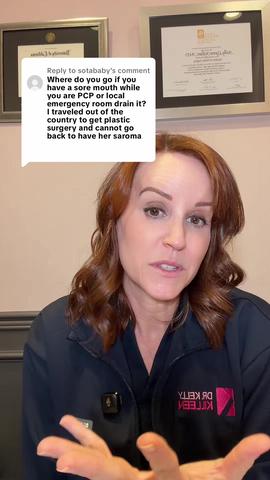
What to Do If You Have Complications After Surgery
December 22, 2025
Dr. Killeen explains the steps to take if you're experiencing surgical complications — from calling your surgeon to finding a new one through your primary care doctor.
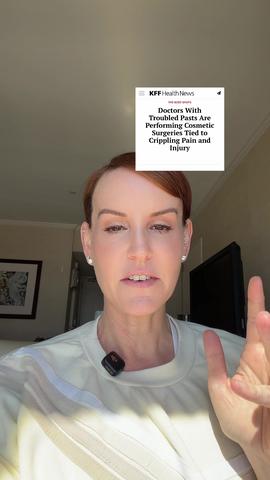
Plastic Surgery "Chop Shops": Why They're Dangerous and How to Protect Yourself
October 13, 2025
Dr. Killeen breaks down a recent investigative article on plastic surgery chop shops like Goals Plastic Surgery and Sono Bello — including their hiring of disciplined surgeons, fake "3-month plastic surgery fellowships," consultant-led surgical decisions, and lack of after-hours care.
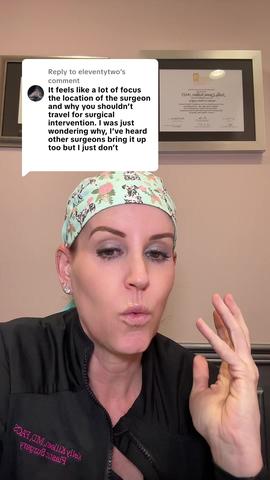
Why Leaving Your Area for Surgery Is a Real Problem — Even Inside the U.S.
July 29, 2025
Dr. Killeen walks through the structural reasons medical tourism — both international and within the U.S. — is genuinely a higher-risk choice. Including the role of post-op care in a successful outcome, why complications don't wait for flights, and why local surgeons typically won't take on another surgeon's tourism patient.