How to Treat Bad Scars After a Breast Reduction
Most patients who think they have a keloid of the breast actually have a hypertrophic scar — the abnormal tissue stays within the bounds of the incision. The good news: caught early, they're very treatable.
Treating Bad Scars After a Breast Reduction
Replying to a comment from a patient worried about her scars after a breast reduction. I can't give specific advice for one person online, but I can walk through how I generally approach and treat poor scarring after breast surgery in my practice.
The Normal Timeline of Scarring
Before jumping into "bad" scars, it's worth knowing what a normal scar actually does over time:
- First 6 to 8 weeks: the scar usually looks pretty good
- Then: it starts to get pink, thick, and a little firm
- Over the next ~2 years: everything gradually softens and fades
That's the natural history with no intervention at all. A pink, slightly raised scar at 2 months is not an abnormal scar — it's a scar doing what scars do.
Keloids vs. Hypertrophic Scars on the Breast
Most patients who come to me saying they think they have a keloid on their breast actually have something slightly different.
Keloid
- A tumor of scar tissue
- Leaves the boundaries of the original incision
- Actually very, very rare to find on the breast after surgery
Hypertrophic Scar
- A close relative of the keloid
- The abnormal scar tissue stays within the boundaries of the incision
- Much more common on the breast
For a deeper dive on the difference (including how they look on different skin tones), I wrote more about hypertrophic vs. keloid scars here.
What a Hypertrophic Scar Looks Like
When I examine a hypertrophic scar, it usually looks and feels like:
- Thick
- Pink, like a "pink worm" sitting where the scar should be
- Hard as a rock to the touch
The Itch Is a Key Sign
One of the most telltale signs is intense itching right at the scar line.
Some itching is normal after surgery — nerves turning back on cause plenty of harmless itchiness. But intense, persistent itch located exactly on the scar is often an early sign of hypertrophy.
If your incision is itching in a really aggressive way weeks or months out, that is worth mentioning to your surgeon.
Prevention: What Every Breast Reduction Patient Should Do
1. Silicone Scar Therapy — For Everyone
I recommend some form of silicone scar therapy for all patients after surgery — not just those who are already forming a bad scar. Silicone (gel or sheets) simply helps things heal and mature more quickly.
Ask your surgeon which product they prefer.
2. Actually Look at Your Scars
Breast reduction scars live partly under the breast, where they're easy to ignore. For the first couple of months of healing:
- Check them once or twice a month
- Use a mirror, or have a friend or family member take a look
- You are looking for changes — thickening, redness, firmness, itch
Catching scar problems early is the whole game. Early problems are relatively easy to treat. Problems you've let ride for a long time are much more challenging.
Treatment: What I Actually Do
If you come in and the scar is clearly thickening — pink, thick, firm, itchy — the first step is almost always injections.
Injection Therapy
A few different agents have been studied:
- Botox
- Steroids (like Kenalog/triamcinolone)
- 5-FU (a chemotherapy medication)
The best evidence we have suggests that a combination of steroids and 5-FU works best and has the lowest recurrence rate. If you want a deeper breakdown of what goes in these injections and the trade-offs of each, I wrote about scar injection medications here.
Injections Are Not One-and-Done
Patients are sometimes surprised by this:
- Injections are done in a series
- Usually 3 to 6 weeks apart
- The scar softens and calms down gradually over the next couple of months
Don't judge the result after one session. You're watching for the trajectory over multiple sessions.
When Injections Aren't Enough
Some people have tried things like cryotherapy and lasers for bad scarring. These can help in some cases, but in my practice, if injections aren't getting me where I need to go, I usually transition to surgical scar revision.
Low-Dose Radiation for Severe Cases
For patients with really poor scarring that isn't responding to the above, another option is to see a radiation oncologist for targeted low-dose radiation to the scar.
I know radiation sounds alarming — but this is not the kind of radiation you get for cancer treatment. It's essentially a light sprinkle of radiation aimed at the scar, and in severe cases it can be very effective in shutting down the overactive scar response.
The Bottom Line
Most "bad scars" after breast reduction are hypertrophic, not true keloids — and they are very treatable if you catch them early. Use silicone on all of your scars as a baseline, watch your incisions for the first couple of months, and if something looks thick, pink, firm, or intensely itchy, come in sooner rather than later. Injection therapy (often steroids + 5-FU) is usually the first step; scar revision or low-dose radiation sit in reserve for more stubborn cases.
If you're unsure whether your scars are progressing normally, a quick office visit is much better than quietly worrying for months. Problems caught early are problems solved quickly.
Your Journey to Renewed Confidence

Transform Your Life
Every person deserves to feel comfortable and confident in their own body. Our procedures aren't just about physical change. They're about reclaiming your life, your comfort, and your self-assurance.
Dr. Killeen and her team support you every step of the way, from your first consultation through recovery.
Take the first step toward the life you deserve.
Schedule Your ConsultationTransform Your Life
Every person deserves to feel comfortable and confident in their own body. Our procedures aren't just about physical change. They're about reclaiming your life, your comfort, and your self-assurance.
Dr. Killeen and her team support you every step of the way, from your first consultation through recovery.
Take the first step toward the life you deserve.
Schedule Your ConsultationRelated Articles
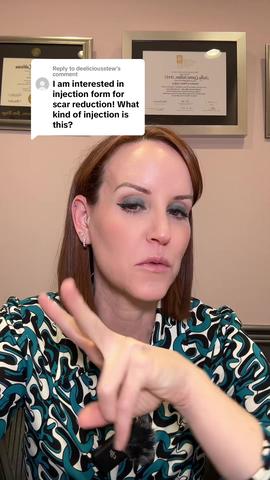
What We Inject Into Problematic Scars: Kenalog vs. 5-FU
November 12, 2025
Dr. Killeen breaks down the two medications used to inject hypertrophic and keloid scars — Kenalog (steroid) and 5-FU (chemotherapy) — including their trade-offs, complications, and how to space injections for the best result.
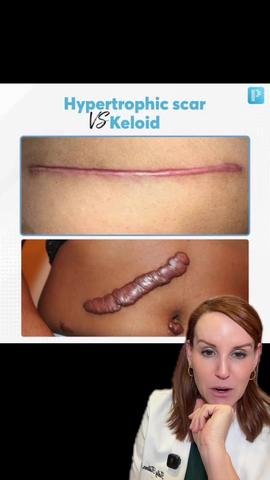
Hypertrophic vs. Keloid Scars — and How They Look on Darker Skin
November 10, 2025
Dr. Killeen explains the difference between hypertrophic scars and keloids, and how they can behave differently on darker skin — including pigmentation that often layers on top of the raised scar and how to treat both issues together.
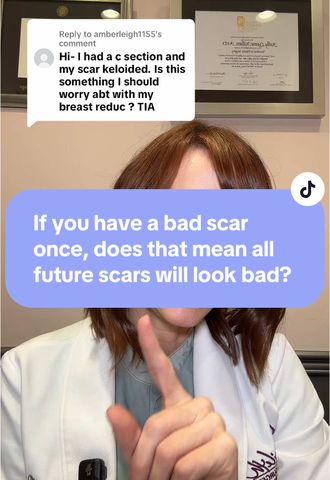
You Got a Keloid From One Surgery. Does That Mean Every Surgery Will Keloid?
May 9, 2025
Dr. Killeen reassures patients that a keloid from a prior surgery usually does not mean every future surgery will scar badly. She explains why certain areas (C-sections, shoulders, central chest, back, knees) scar thick more often while breast surgery scars behave better, what surgeons do in the OR to prevent it, why she follows up more aggressively with bad scarrers, and how a Prevena vac plus early silicone and lasers help.