Fat Necrosis vs. Infection: They Look Almost the Same — Here's How to Tell Them Apart
Fat necrosis can absolutely masquerade as an infection — both look red and swollen, both can drain. The fluid is the clue: pus is thick, white-green. Fat necrosis fluid is thinner, yellower, with little chunks of yellow fat suspended in clearer yellow liquid. Send it to the lab to be sure.
Fat Necrosis vs. Infection: They Look Almost the Same — Here's How to Tell Them Apart.
A really sharp comment came in: "Fat necrosis can masquerade as an infection. How do you tell the difference?"
This is genuinely one of the harder things for a non-clinician to distinguish, because the two problems have very similar presentations but require slightly different management. Let me walk through what each one is, how to tell them apart on exam, and why both are treated similarly in the end.
Why These Two Problems Look So Similar
After surgery, particularly fat grafting, breast reduction, or any procedure where there's significant tissue handling, patients can develop areas of fat that didn't survive (fat necrosis) or bacterial infection in the surgical area.
Both produce:
- Redness over the affected area
- Swelling
- Tenderness or pain
- A palpable fluid collection under the skin
- Sometimes drainage through the incision or the skin
That's a lot of overlap. So how do we distinguish them?
What Fat Necrosis Actually Is
When fat cells don't survive in a surgical site — usually because the blood supply to that area was disrupted during the procedure — the dead fat tissue:
- Liquefies over weeks to months
- Creates an oil-and-debris collection in the tissue
- Triggers an inflammatory response that makes the surrounding tissue red and swollen
- Can become firm or palpable as a lump
- Sometimes drains through the skin if the collection is large enough
This is not an infection. There are no bacteria. It's the body's natural response to dead tissue that needs to be cleared.
Fat necrosis is most common after:
- Breast reduction
- Fat grafting where take rates are lower
- Any procedure where blood supply to fatty tissue gets compromised
What an Infection Actually Is
An infection is bacterial colonization of the surgical site. The bacteria multiply, the body sends immune cells to fight them, and the result is:
- Pus formation
- Significant redness that often spreads beyond the immediate area
- Worsening pain over hours to days
- Systemic signs — fever, chills, feeling generally unwell
- Sometimes discharge with a characteristic appearance
Both fat necrosis and infection produce inflammation, but the underlying problem is fundamentally different — and so is the bacteria piece.
How We Distinguish Them on Exam
Step 1: Physical Exam
Honestly, on physical exam the two can look very similar:
- Both look red and swollen
- Both feel tender
- Both may have a palpable fluid collection beneath the skin
This is why even experienced clinicians need additional information to be sure.
Step 2: Sample the Fluid
If we can access the fluid collection before it drains spontaneously through the skin, we can aspirate a sample sterilely with a needle and syringe. That sample gets sent to the lab to look for bacteria, which gives us a hint as to whether this is an infection or truly fat necrosis.
Step 3: Look at the Fluid Itself
The fluid characteristics give us important clues even before lab results come back.
Pus from an infection:
- Whitish, yellowish, or greenish color
- Thicker texture
- Uniform consistency
Fluid from fat necrosis:
- More clearly yellow (without the white or green tint)
- Thinner in texture
- Often contains tiny yellow chunks (the actual necrotic fat) suspended in clearish yellow fluid
If you've never seen pus before, fat necrosis fluid can look alarming and mimic pus. But your plastic surgeon will be able to tell the difference when they look at it.
The Treatment Is Actually Pretty Similar
Here's the part that might surprise you: the management for both problems converges in many cases.
If There's an Active Fluid Collection
Whether it's infected pus or sterile fat necrosis fluid, the management is similar:
- Drain the collection — either at bedside or in the operating room
- Remove the dead/infected tissue that triggered the problem
The decision between bedside drainage vs. OR procedure depends on:
- Size of the collection
- Depth and accessibility
- Patient comfort
- Whether there's an implant involved
- Severity of the inflammation
If It's an Infection, Add Antibiotics
For confirmed infection, drainage is paired with:
- Targeted antibiotics based on the culture
- Monitoring for systemic worsening
If It's Fat Necrosis, You Still Often Drain
Even without bacteria, large areas of fat necrosis are usually better drained than left alone:
- Once there's an opening to the skin, there's a risk of secondary infection
- Removing the collection of dead fat prevents ongoing inflammation
- Wound healing is faster with the dead tissue out
- The cosmetic result is often better when the collection is managed actively
So whether the problem is fat necrosis or infection, active management is usually better than watchful waiting once there's drainage or significant fluid collection.
What If You Can't Tell?
Honestly, sometimes even with sampling, the answer isn't crystal clear right away. In those cases:
- Drain the collection if it needs it
- Send the fluid to the lab to look for bacteria
- Adjust treatment based on what comes back
What you don't want is antibiotics thrown at something that's really just inflammation from fat dying. Experienced breast surgeons won't throw antibiotics at you for that. Taking antibiotics you don't need can actually harm you: it can create resistant bugs, so that if you do develop an infection it's harder to treat, and it can cause side effects.
What to Do If You Notice This Post-Op
If you're post-op and seeing redness, swelling, or fluid collection:
Step 1: Call Your Surgeon Right Away
Don't try to diagnose this yourself. Even surgeons need the physical exam and sometimes lab tests to be sure. Get seen in person.
Step 2: Document What You're Seeing
Take photos with consistent lighting so your surgeon (and you) can track changes over hours and days. If something's rapidly progressing, you want to be able to show that clearly.
Step 3: Note Any Systemic Symptoms
- Fever
- Chills
- Feeling generally unwell
- Worsening fatigue
Any of these elevates the urgency — call sooner, not later.
Step 4: Be Ready to Be Seen
Plan for the possibility that your surgeon may want to see you in office promptly, or send you for imaging or labs, or even take you to the OR. Don't make travel plans that conflict.
A Note for Patients With Implants
If you have a breast implant in place and you're developing what looks like infection or fat necrosis around it, the urgency is significantly higher:
- An implant-related infection needs prompt management to avoid implant loss
- Inflammation around an implant can trigger capsular contracture even if it isn't bacterial
- Any hematoma or fluid collection around an implant should be actively managed
The Bottom Line
Fat necrosis and post-op infection look strikingly similar — both produce redness, swelling, tenderness, and sometimes drainage. The reliable ways to distinguish them are:
- Sample the fluid sterilely and send for culture
- Look at the fluid characteristics — pus is thick, white-green; fat necrosis fluid is thinner, with yellow chunks in clear-yellow base
Importantly, the treatment is similar in many cases: drain the collection, remove the dead or infected tissue, and add antibiotics if bacteria are present. Don't leave large collections of fat necrosis untreated — they're prone to secondary infection and slow healing if you do.
If you're post-op and seeing anything that worries you, call your surgeon promptly. This is exactly the kind of situation where their experience matters — and where waiting for "maybe it will resolve" can let a treatable problem become a worse one.
Your Journey to Renewed Confidence

Transform Your Life
Every person deserves to feel comfortable and confident in their own body. Our procedures aren't just about physical change. They're about reclaiming your life, your comfort, and your self-assurance.
Dr. Killeen and her team support you every step of the way, from your first consultation through recovery.
Take the first step toward the life you deserve.
Schedule Your ConsultationTransform Your Life
Every person deserves to feel comfortable and confident in their own body. Our procedures aren't just about physical change. They're about reclaiming your life, your comfort, and your self-assurance.
Dr. Killeen and her team support you every step of the way, from your first consultation through recovery.
Take the first step toward the life you deserve.
Schedule Your ConsultationRelated Articles
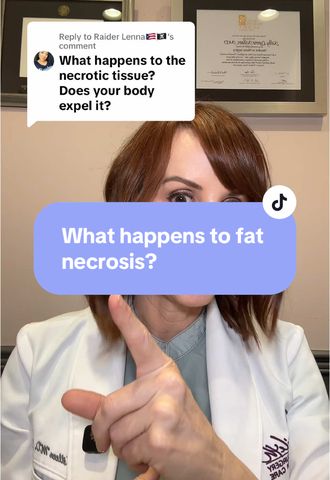
What Happens to the Fat That Doesn't Survive After a BBL or Fat Grafting?
May 3, 2025
After a BBL or fat grafting you always lose some fat (10 to 50%). Dr. Killeen explains the three fates of the fat that does not survive: your body reabsorbs it (the ideal, over weeks to months), expels it through the skin (which looks like an infection but is actually necrotic fat, not pus), or walls it off into a hard painful lump when there is too much and it is too deep to expel. Plus why an experienced surgeon can tell fat necrosis from infection, and how walled-off lumps are treated.
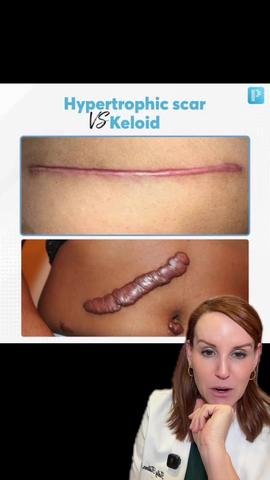
Hypertrophic vs. Keloid Scars — and How They Look on Darker Skin
November 10, 2025
Dr. Killeen explains the difference between hypertrophic scars and keloids, and how they can behave differently on darker skin — including pigmentation that often layers on top of the raised scar and how to treat both issues together.
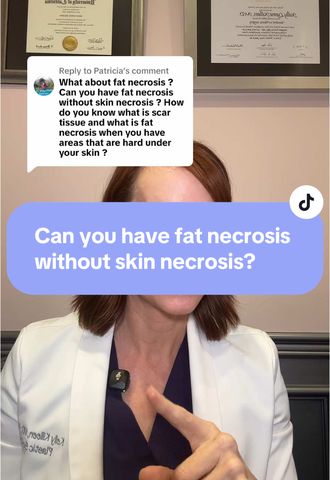
Fat Necrosis vs. Scar Tissue After a Tummy Tuck (And the Surprising Reason CoolSculpting Works)
June 5, 2025
Dr. Killeen explains why fat necrosis happens after a tummy tuck — fat is more delicate than skin, so when blood supply drops the fat dies first (the same principle that makes CoolSculpting work) — and how to tell a fat necrosis nodule apart from a scar tissue nodule using location and healing history.