You Got a Keloid From One Surgery. Does That Mean Every Surgery Will Keloid?
A keloid from a prior surgery does not mean every future surgery will keloid. A lot depends on where the scar was. C-sections, shoulders, the central chest, the back, and knees scar thick more often, while breast surgery scars tend to behave better. Having a bad scar in one high-risk area does not doom you to abnormal scars everywhere.
You Got a Keloid From One Surgery. Does That Mean Every Surgery Will Keloid?
Here's a really common and understandable worry: "I got a keloid scar from a prior surgery. Does that mean every future surgery is going to result in keloids too?"
The reassuring answer: usually not. Let me explain why, because where the scar happened matters a lot, and there's plenty we can do to keep it from repeating.
Some Areas of the Body Just Scar Worse
Here's the key insight most people don't realize: certain areas of the body have much higher rates of keloids and hypertrophic scars (those thick, red, firm scars) than others. So a bad scar in a high-risk zone doesn't necessarily predict how you'll heal elsewhere.
The areas that tend to scar thick:
- C-section incisions — it's relatively common to see a thickened scar here
- The shoulders
- The center of the chest
- The back
- The knee
And notably, thickened scars are less common with breast surgery. So if your keloid came from, say, a C-section or a scar on your chest or back, that does not mean you're doomed to abnormal scars everywhere else on your body. The location did a lot of the work.
Having an abnormal or thickened scar in one of those high-risk areas doesn't mean you're destined for bad scars everywhere.
What Surgeons Do in the OR to Prevent It
Preventing bad scars starts on the operating table. Surgeons use all kinds of techniques to minimize this type of scarring, and we do that for every single patient. But if you have a history of poor scarring, we get especially careful, paying extra attention to how the wound is closed and how tension is managed.
Reducing tension on the wound is one of the biggest levers, because tension is a major driver of thick scars.
How I Follow Up Differently for "Bad Scarrers"
The other half is what happens after surgery. For patients with a propensity for bad scars, I follow up more aggressively. The goal is simple: I want to catch it early and intervene quickly if the scar starts to misbehave, so we can head off a repeat of what you've already been through.
Scars that are going to turn hypertrophic or keloid usually give you a window early on where treatment works best, so staying ahead of it is everything.
What You Can Do as a Patient
If you know you have a history of bad scars, here are things to bring up with your surgeon:
1. Ask About a Prevena Vac
Talk to your doctor about a Prevena vac (a negative pressure incision device). These are fantastic for a few reasons:
- They help relieve tension on the wound
- They improve wound healing
- Your scar tends to look better as a result
If you want the details on how these devices work, I've broken that down here.
2. Start Aggressive Scar Management Early
Ask your surgeon about aggressive scar management after surgery. That usually means:
- Starting your silicone strips or silicone gel early
- Potentially having early laser treatments as well
Starting early is the theme, because with scars, prevention and prompt treatment beat trying to fix a thick, mature scar later. If a scar does thicken despite everything, there are still injectable treatments like Kenalog and 5-FU that help.
The Bottom Line
A keloid from a prior surgery does not mean every future surgery will keloid. A lot depends on where the scar was, some areas (C-sections, shoulders, central chest, back, knees) simply scar thick more often, while breast surgery scars tend to behave better.
If you're a "bad scarrer," the plan is straightforward: surgeons take extra care in the OR to reduce tension, follow up more aggressively afterward to catch problems early, and you can help by asking about a Prevena vac and starting silicone strips, gel, and even early lasers right away. Between location and a proactive plan, one bad scar in the past is not a life sentence for every scar to come.
Your Journey to Renewed Confidence

Transform Your Life
Every person deserves to feel comfortable and confident in their own body. Our procedures aren't just about physical change. They're about reclaiming your life, your comfort, and your self-assurance.
Dr. Killeen and her team support you every step of the way, from your first consultation through recovery.
Take the first step toward the life you deserve.
Schedule Your ConsultationTransform Your Life
Every person deserves to feel comfortable and confident in their own body. Our procedures aren't just about physical change. They're about reclaiming your life, your comfort, and your self-assurance.
Dr. Killeen and her team support you every step of the way, from your first consultation through recovery.
Take the first step toward the life you deserve.
Schedule Your ConsultationRelated Articles
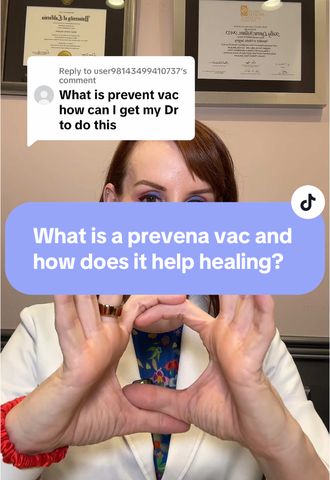
What Is a Prevena Wound Vac? A Complete Guide to How It Works and Who Needs One
April 10, 2025
Dr. Killeen explains the Prevena wound vac — a negative-pressure dressing that, unlike traditional wound vacs, is safe to use on intact skin over closed surgical incisions. She covers how it works (dilating blood vessels to boost blood flow and reduce swelling), how long it stays on (seven to nine days), who benefits most (breast lifts, reductions, reconstructions, tummy tucks, and patients with diabetes, hypertension, immunosuppression, or prior radiation), the scar and keloid benefit, how to get one, and what it costs.
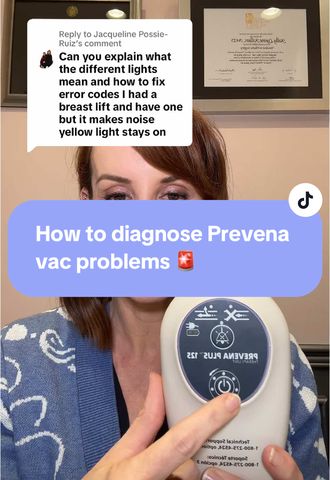
Prevena Vac Troubleshooting: What the Error Codes Mean and How to Fix Them
May 19, 2025
A practical guide to the Prevena Vac negative-pressure incision dressing: what it does, why the countdown dots mean it stops after 7 days (not a dead battery), what the blockage ("X" = kinked tube) and leak (air getting in) errors mean and how to fix them, how to patch leaks, the smaller battery unit, charging, the 24/7 help line, and why turning it off overnight is perfectly safe.
How to Treat Bad Scars After a Breast Reduction
November 4, 2025
Dr. Killeen walks through how hypertrophic and keloid scars behave after a breast reduction, how to spot them early, and the step-by-step treatment plan — from silicone and injection therapy to scar revision and low-dose radiation in severe cases.