Can a Tummy Tuck, Diastasis Repair, and Umbilical Hernia Repair All Be Done at Once?
Tummy tuck, diastasis repair, and umbilical hernia repair — yes, we do all of these at once routinely. The literature does not indicate that repairing an umbilical hernia at the time of a tummy tuck increases your complication rate. It's the perfect time to fix everything.
Tummy Tuck, Diastasis Repair, and Hernia Repair — Can They All Be Done at Once?
A great question came in: "I want a tummy tuck, but I also have diastasis and an umbilical hernia. Can all of those be done at the same time?"
Short answer: yes — we do this all the time, and it's actually the perfect setup for combining them. Here's how it works in practice.
The Three Things That Often Come Together
Patients who are candidates for a tummy tuck very often have all three of these issues at the same time:
- Loose abdominal skin (the reason they're considering the tummy tuck)
- Diastasis recti — separation of the abdominal muscles
- Umbilical hernia — a small defect in the abdominal wall, usually at or near the belly button
This combination is especially common in patients who have had pregnancies or significant weight changes — the abdominal wall stretches, the muscles separate, and the fascia at the belly button often weakens to the point that a small hernia develops.
The good news is that all three of these problems are accessible from the same operative field. The tummy tuck incision and exposure that we already need for the cosmetic part of the surgery is essentially the same view we need to repair the muscles and fix the hernia.
Diastasis Repair Is Already Part of a Standard Tummy Tuck
For most plastic surgeons (myself included), diastasis repair is built into the tummy tuck operation. When we lift the skin flap and expose the underlying abdominal wall:
- We can see the gap between the rectus muscles
- We bring the two sides back together with a heavy-duty suture
- That repair typically runs from the pubic bone all the way up to the rib margin
So if you have diastasis, you don't even have to "add" anything to the tummy tuck — it's already coming with the procedure. (For more on whether diastasis can be fixed without a tummy tuck, the short version is "sometimes, but the tummy tuck makes it much more straightforward.")
Umbilical Hernia Repair During a Tummy Tuck
Umbilical hernias are very common, easily repaired, and we fix them during tummy tucks all the time. Two scenarios:
1. Plastic Surgeon Repairs the Hernia
Many plastic surgeons — especially those of us who have a general surgery background — are completely comfortable repairing an umbilical hernia ourselves at the time of the tummy tuck. We're already in the operative field, we have direct access to the hernia defect, and the repair is a relatively quick addition.
2. Plastic Surgeon Brings in a General Surgeon
Some plastic surgeons prefer to bring in a general surgeon partner to handle the hernia repair while they handle the tummy tuck. This is also totally fine — the two surgeons coordinate, the hernia gets repaired, and the rest of the tummy tuck proceeds normally.
Either approach is reasonable. The right one depends on your particular surgeon's training and preference.
Does Adding a Hernia Repair Increase Risk?
This is the question patients often worry about — am I adding complication risk by combining these procedures?
The answer based on the published literature: no, repairing an umbilical hernia at the time of a tummy tuck does not appear to increase the complication rate.
That's an important data point. We're not adding meaningful risk by doing all three at once — and we are saving you from a second operation later if the hernia gets worse.
Why This Combination Makes So Much Sense
Combining all three procedures has real advantages:
- One anesthetic instead of two
- One recovery period instead of two
- One scar plan — the hernia repair often disappears into the tummy tuck incision/closure
- Fixed contour — you don't end up with a tummy tuck result spoiled by an untreated hernia bulge
- Cost savings vs. staging the operations separately
- No second hospitalization for the hernia repair
This is a place where "doing it all at once" is genuinely the smarter call — unlike some much larger combined procedures where stacking creates significant additional risk. The hernia and diastasis repairs are adding only minutes to the tummy tuck — not hours or new physiologic stresses.
What Your Pre-Op Workup Will Look Like
When you're evaluated by your plastic surgeon for this combination, here's what to expect:
Imaging
In most cases, we don't need any specific imaging beforehand. If your surgeon has a general surgery background, they are generally comfortable diagnosing an umbilical hernia on physical exam alone — no CT scan or ultrasound required.
Some surgeons may still request imaging in certain cases, particularly if:
- The hernia is unusually large
- There are other abdominal symptoms that need investigation
- There's suspicion of additional defects beyond the umbilical hernia
- The patient has a complex surgical history
Standard Pre-Op Testing
Beyond hernia evaluation, you'll get the standard pre-op battery based on your:
- Age
- Medical problems
- Medications
Plus an optimization visit with your primary care doctor to make sure you're medically cleared for surgery. This is the same workup any tummy tuck patient would have — the hernia doesn't add a separate testing pathway.
What to Ask Your Surgeon
If you're considering this combination, here are some specific questions worth asking:
- "Do you repair umbilical hernias yourself, or do you bring in a general surgeon?"
- "What's the recovery difference between the tummy tuck alone vs. with the hernia repair?"
- "Do I need any specific imaging before surgery?"
- "How does the hernia repair fit into your tummy tuck closure?"
A surgeon who's done many of these will be able to answer these questions specifically and confidently.
The Bottom Line
If you have a tummy tuck on your radar and you also have diastasis and/or an umbilical hernia — yes, all of these can absolutely be repaired at once. In fact, it's the perfect time to fix them:
- Diastasis repair is essentially built into a standard tummy tuck already
- Umbilical hernia repair adds minutes to the procedure and does not appear to increase complication rates
- You avoid a second operation later if the hernia ever becomes symptomatic
- You get a fully restored abdominal wall under your cosmetic result
Talk to your plastic surgeon about all three at your consultation. With most experienced surgeons, this is a well-rehearsed combination that delivers a great result.
Your Journey to Renewed Confidence

Transform Your Life
Every person deserves to feel comfortable and confident in their own body. Our procedures aren't just about physical change. They're about reclaiming your life, your comfort, and your self-assurance.
Dr. Killeen and her team support you every step of the way, from your first consultation through recovery.
Take the first step toward the life you deserve.
Schedule Your ConsultationTransform Your Life
Every person deserves to feel comfortable and confident in their own body. Our procedures aren't just about physical change. They're about reclaiming your life, your comfort, and your self-assurance.
Dr. Killeen and her team support you every step of the way, from your first consultation through recovery.
Take the first step toward the life you deserve.
Schedule Your ConsultationRelated Articles
Why Diastasis Repair Should Be Part of Every Tummy Tuck
March 30, 2026
Dr. Killeen explains why she repairs the abdominal muscles (diastasis recti) on virtually every tummy tuck patient and how it improves results.
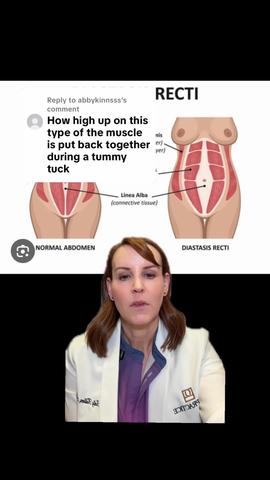
How High Up Do We Go When Repairing Diastasis in a Tummy Tuck?
October 17, 2025
Dr. Killeen explains how high the muscle repair extends in a tummy tuck — from pubic bone to rib margin — why diastasis is almost always present, why a strong core matters more than your faja, and the problem with wearing your garment for months too long.
Can You Fix a Diastasis Without a Tummy Tuck?
December 24, 2025
Dr. Killeen explains why diastasis repair can be done without skin removal, but why most patients with a significant diastasis get better results with a full tummy tuck.