What I Look For When Hiring a Nurse Practitioner
I love working with people who really think about problems before they come to me. When a patient has an issue, they have already thought about what they think it is and what the solution is, even if it is a new problem. I like an active mind and people who are always thinking three steps ahead.
What I Look For When Hiring a Nurse Practitioner
I get asked this a lot, so let's talk about what I actually look for when hiring a nurse practitioner for my plastic surgery team.
I wish I could give you an exact scientific formula. I can't, a lot of it is getting a feel for someone. But there are specific things I'm looking for every time, and here they are.
1. A Background With Real Autonomy
The first thing I look for is a history of working in an area with more autonomy.
This matters especially for a new grad who hasn't yet worked as a nurse practitioner. In that case, I look at their experience as a nurse, and specifically whether they worked somewhere they had to function independently. The settings that stand out:
- Emergency department
- Labor and delivery
- ICU
- Surgery
I find that nurses with that kind of experience tend to make the best nurse practitioners for my field. They've already had to make calls under pressure without someone standing over them, and that translates directly.
For this job specifically, what I want most is someone who has had really good experience taking care of surgical patients, in the ICU, the ER, or on a surgical floor, and I want multiple years of it. There isn't really a "surgical nurse practitioner" track, so that experience is where you learn surgical and post-surgical care. Surgical patients are complicated, and this is acute care. You need to really know your stuff. I want someone who's got chops, so to speak.
That's why this usually isn't the best job for a new grad. There are exceptions, and sometimes you know it when you meet someone. But in general, having a couple of years under your belt is really important.
2. Genuine Curiosity
This one is more of a je ne sais quoi, but I can usually tell within an interview whether someone is curious.
I love people who are open, curious, and eager to learn. I want someone who seems genuinely excited about the subject matter, even when it's completely new to them. Plastic surgery has a steep learning curve, and enthusiasm for the material beats existing knowledge every time.
3. A Personality That Can Hold Its Own
The next thing is overall personality and how well someone meshes with me specifically.
I'll be blunt about this: timid personalities don't do well in this field. I like people who are:
- Strong
- Assertive
- Comfortable having discussions with me right off the bat
If you can't push back on me in an interview, it's going to be hard to push back on me when it matters, and in medicine, that matters. I want someone who will say "I think we should look at this again."
4. Problem Solving vs. Information Gathering
This is the big one, and it's the thing I evaluate during the trial period. When I hire someone, we usually have a several-month trial period, which is pretty standard for this kind of role.
What I'm watching for is the difference between problem solving and information gathering.
I love working with people who really think about a problem before they bring it to me.
Here's the distinction in practice. When a patient has an issue, the person I want has already thought through what they believe it is and what they think the solution is before they walk into my office, even when it's a brand-new problem. They may be wrong, that's fine. But they've engaged with it.
The alternative is someone who simply gathers information and hands it to me to solve. And I can always tell which one I'm getting by the way information arrives.
I want an active mind, someone always thinking three steps ahead. That way they're a genuine part of the team, and together we take better care of the patient. That collaborative capability is a big part of how a practice actually manages complications well.
5. Good Vibes, Genuinely
The last thing is simple: I like good vibes. I like positive people.
We are together all the time. And more importantly, we are our patients' biggest cheerleaders when they're going through something hard. A lot of what we do involves people at vulnerable moments, cancer diagnoses, difficult recoveries, complications.
I want a sunny personality to complement mine, so that our patients have a genuinely great experience and we can hype them up during the hard stuff. That isn't a soft consideration. For the patient, it's a real part of the care.
What the Job Actually Is
People also ask what a nurse practitioner on a plastic surgery team actually does. On my team, the job is primarily post-op care.
- Patients are connected with our nurse practitioner on our encrypted messaging system on the day of surgery. They have a direct line to our NP for the first month after surgery, so they can ask all of the questions that come up during recovery.
- Our NP comes into post-op appointments with me on clinic days. Because they're in direct communication with my patients, they keep me up to date on every concern and everything that's going on.
- It's a flexible job. A lot of it is answering calls and messages, which can be done from home, and that isn't possible in many nursing jobs.
What I Learned When I Added This Role
Before I had a nurse practitioner, I took all my own calls. I rarely got called at night or on weekends, and I thought it was because I'm awesome, I'm good at educating, and my patients didn't have questions.
Turns out they did have questions.
When my nurse practitioner started taking calls and answering messages during the day while I'm in the OR, the volume of messages went up. People are commonly a little intimidated to call their physician. They don't want to bother us at night or on weekends, and if it's not a big concern, they don't want to bug us. But they have a concern.
Anxiety is the enemy of healing. Even if it's a minor concern, it can morph into a major concern if it's not addressed.
Now my patients are much more comfortable, and I think they get better care with a nurse practitioner on the team. It makes me better, too. Talking with our NP about what patients are worried about teaches me how to educate better up front, on dressings, wound care, and everything else. (It's part of why post-op follow-up matters as much as it does.)
We all get better as a team. I love having a nurse practitioner on my team.
The Bottom Line
What I look for in a nurse practitioner:
- Autonomous background, ED, L&D, ICU, or surgery experience
- Curiosity, open and excited to learn, even about unfamiliar material
- A strong, assertive personality that can hold a discussion with me
- Problem solving over information gathering, thinking three steps ahead
- Good vibes, because we're together constantly and our patients need cheerleaders
For this role, add multiple years of surgical, acute-care experience. The job itself is mostly post-op care: being the person patients feel comfortable reaching out to, because anxiety is the enemy of healing.
None of that is a formula, and I still go on feel more than I'd like to admit. But if you're a nurse hoping to move into plastic surgery, those are the things that make me lean forward in an interview.
Your Journey to Renewed Confidence
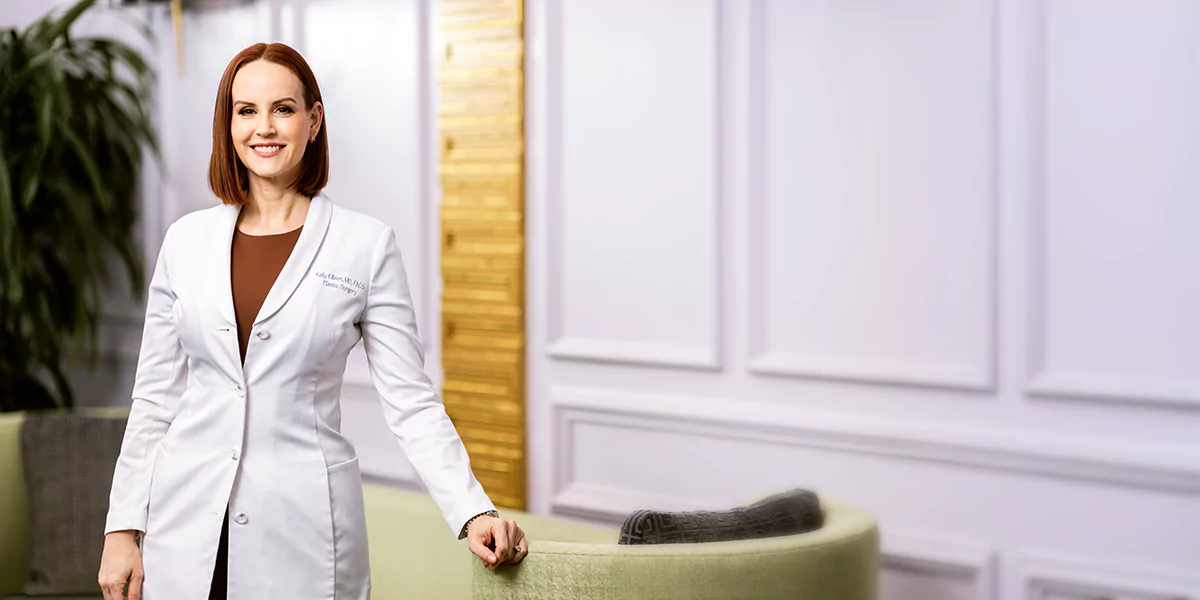
Transform Your Life
Every person deserves to feel comfortable and confident in their own body. Our procedures aren't just about physical change. They're about reclaiming your life, your comfort, and your self-assurance.
Dr. Killeen and her team support you every step of the way, from your first consultation through recovery.
Take the first step toward the life you deserve.
Schedule Your ConsultationTransform Your Life
Every person deserves to feel comfortable and confident in their own body. Our procedures aren't just about physical change. They're about reclaiming your life, your comfort, and your self-assurance.
Dr. Killeen and her team support you every step of the way, from your first consultation through recovery.
Take the first step toward the life you deserve.
Schedule Your ConsultationRelated Articles
Hot Takes: What I Wish I'd Known, and the Worst Career Advice I Got
September 29, 2026
A personal round of hot takes on life and career: the two lessons Dr. Killeen learned from patients right after training (that this is the best you will ever look, and that relationships deserve the same energy as your career), how she handles nerves before a complicated surgery by over-preparing until it is no longer scary, the best advice she got from her family of physicians (treat every day like an audition), and the worst advice she ever overheard, that someone was irreplaceable.
Why Didn't the OR Team Stop Surgeon Thomas Shaknovsky?
April 16, 2026
Dr. Killeen answers the most common follow-up question about the Shaknovsky case: why didn't the other staff in the operating room stop him? She breaks down who's in the OR, what they do, and why they often can't see what the surgeon is doing.
How Can a Doctor Legally Practice Outside Their Specialty? And Why Isn't the Medical Board Stopping It?
July 22, 2025
Dr. Killeen explains how a medical license technically entitles a physician to practice any kind of medicine they want — and why state medical boards don't typically intervene. Plus why the regulatory trend is moving toward less restriction, not more, and what patients can do to verify their own surgeons.