My Implant Ended Up Over or Under the Muscle, Not What We Discussed
Where the implant is located is one of the things there should be clear expectations about. If it ends up somewhere you didn't discuss, your surgeon should have a really good reason.
"That's Not What We Discussed"
Here's the situation from a comment I got: you go in for a breast augmentation, and your implant ends up either over or under the muscle, and that's not what you and your surgeon discussed. In this case, the patient had had implants removed in the past.
Should this happen?
In my opinion, no. And if it does, your surgeon should have a really good reason for it.
Where the implant is located is one of the things there should be clear expectations about before you go into the operating room.
What Happens to the Old Capsule After an Explant
To understand how this happens, it helps to know what's left behind after implants come out.
When implants are removed and the capsule isn't, the capsule stays there. It will shrink with time and get smaller. Sometimes it fills with fluid. But it never completely goes away. (Leaving a normal capsule behind is often perfectly reasonable, by the way. Here's why not every explant needs the capsule removed.)
The Muscle Should Be Repaired
It's hard to know from the comment exactly what happened. But a lot of the time, especially many years ago, surgeons weren't repairing the muscle when they removed implants from under it.
I feel strongly that the muscle needs to be repaired. When an implant goes under the pectoralis muscle, the muscle is detached and stretched, and leaving it unanchored after the implant comes out can cause problems of its own. (More on why and how I repair the muscle during implant removal.)
Why a Surgeon Might Be Tempted
Now picture the surgeon's side. You're doing a breast augmentation in a patient who's had a prior explant, and you find a perfectly normal, fine capsule under the muscle from the old implants.
I can totally see how it would be tempting to place the new implant right back in that space, rather than spending the extra time to repair the muscle and create a whole new pocket over the muscle.
I would still do it, though, if that's what you and I discussed.
Over-the-muscle, under-the-muscle, and the other placements each come with their own trade-offs, and that's exactly why the choice is made together before surgery, not swapped quietly in the operating room.
Sometimes There Is a Good Reason
To be fair, sometimes there really is a good reason a surgeon changes the plan once they're in the operating room. I'm not sure what it would be in this situation, but it's worth the discussion.
What shouldn't happen is finding out afterward with no explanation. There should be a reason, and your surgeon should be able to tell you what it was.
What to Do If This Happened to You
- Confirm where your implant actually is. If you're not sure, here's how to tell if your implants are over or under the muscle.
- Ask your surgeon directly why the placement was different from what you discussed.
- Talk through your options if you're unhappy with it. Changing the plane later is possible; here's what recovery is like moving implants from under to over the muscle.
The Bottom Line
Your implant should end up where you and your surgeon agreed it would go. If it didn't, there should be a really good reason, and you deserve to hear it. Implant placement is one of the core decisions you make before surgery, and as a patient, it should never come as a surprise.
Your Journey to Renewed Confidence

Transform Your Life
Every person deserves to feel comfortable and confident in their own body. Our procedures aren't just about physical change. They're about reclaiming your life, your comfort, and your self-assurance.
Dr. Killeen and her team support you every step of the way, from your first consultation through recovery.
Take the first step toward the life you deserve.
Schedule Your ConsultationTransform Your Life
Every person deserves to feel comfortable and confident in their own body. Our procedures aren't just about physical change. They're about reclaiming your life, your comfort, and your self-assurance.
Dr. Killeen and her team support you every step of the way, from your first consultation through recovery.
Take the first step toward the life you deserve.
Schedule Your ConsultationRelated Articles
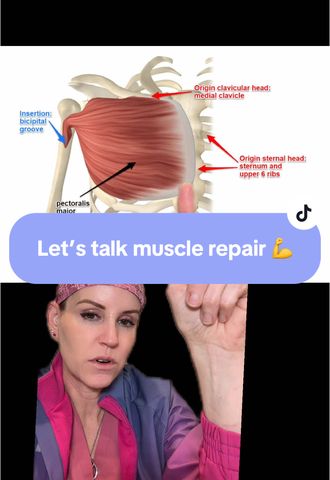
Muscle Repair During Implant Removal and Revision
March 26, 2025
Placing an implant under the pectoralis major requires detaching and stretching the muscle, and Dr. Killeen explains why that matters when the implant comes out: the unanchored muscle can make animation look worse after removal than it did with the implant in. She covers why she makes a point of repairing the muscle back to the chest wall during explant or a plane change, the technique (creating a raw surface by removing or roughing up the capsule, then heavy dissolvable sutures), and the problems she finds in revision cases including over-released muscle, split muscle, and the fibrotic wad from long-standing contractures.

My Thoughts on Over-the-Muscle Breast Augmentation (and How They've Changed)
September 23, 2025
Dr. Killeen explains why she's transitioned the majority of her breast augmentation and reconstruction patients to over-the-muscle placement — what changed in the data, why patients prefer it, what trade-offs (rippling, edge visibility) come with it, and how Motiva implants have helped.
How to Tell If Your Implants Are Over or Under the Muscle
January 20, 2026
Dr. Killeen shares a simple at-home test to determine whether your breast implants are over or under the pectoralis muscle.