A Patient Died After Surgery in a Queens House: How to Actually Vet a Surgeon
This surgery happened in some random guy's house, a house he did not even own. That is never acceptable. Part of what you are paying for is the expertise of your surgeon, and that is what keeps you safe. This person was certainly inexpensive, and this is exactly what makes it not worth it.
A Patient Died After Surgery in a Queens House: How to Actually Vet a Surgeon
Let's talk about some genuinely alarming plastic surgery news out of Queens, New York.
Felipe Hoyos-Foronda, 38, called 911 after a patient became unresponsive in his care. And when I say "in his care," I mean he was performing surgery on someone inside his house in Queens, by himself.
After calling 911, he fled the scene. Emergency responders found the patient in cardiac arrest and brought her to the hospital, but she could not be saved.
Investigators identified him through his landlord, used license plate readers to locate his car, and apprehended him at JFK Airport as he was on his way out of the country to Colombia. He reportedly claimed to be a licensed doctor in Colombia. He has no licensure in the United States.
Rest in peace to the patient. This was entirely preventable, so let's talk about how you protect yourself.
Step 1: Vet Their Credentials
This is always number one, and in this case it alone would have been decisive. You want to confirm that the person you're seeing:
- Is licensed in your state
- Completed the proper training in plastic surgery
- Holds board certification by the American Board of Plastic Surgery
Had this patient run those checks, she would have discovered that this person was not licensed in the United States and held no board certification. The information was there to be found. (Here's exactly how to verify board certification.)
Step 2: Find Out Where They Operate
Credentials aren't the whole picture. Where the surgery happens matters just as much, and this is the step people skip.
They Need Hospital Privileges
Your surgeon should be on staff at a hospital, even if your surgery is happening at an outpatient facility. Here's why that matters:
If you need to be transferred to a hospital, a surgeon with privileges goes with you and continues caring for you there.
Without privileges, you get handed off to strangers at the worst possible moment. (More on why hospital privileges matter.)
The Facility Needs Accreditation
If you're having surgery at an outpatient surgery center, confirm it holds a proper, up-to-date accreditation. That accreditation is what guarantees the equipment, staffing, and emergency protocols are actually in place. (Surgery center vs. hospital, compared.)
In-Office Suites Have Limits
It is possible to safely do minor procedures in an in-office operating suite. That's legitimate. But those spaces are not appropriate for major procedures.
So ask your surgeon directly: where is my surgery being done?
In this case, the surgery happened in some random guy's house, a house he didn't even own. That is never acceptable, under any circumstances, for any procedure.
What You're Actually Paying For
I understand that cost drives these decisions. A lot of people are desperate to have these procedures and are looking for a way to afford them. I have real sympathy for that.
But here's what I need you to internalize:
Part of what you're paying for is the expertise of your surgeon, and that expertise is what keeps you safe.
Someone operating out of a rented house with no license was almost certainly very inexpensive. And this is exactly what makes it not worth it. The savings are meaningless against the risk you're accepting, which in this case was a woman's life. It's the same brutal math behind bargain procedures and unlicensed aftercare.
Your Pre-Surgery Checklist
Before any procedure, confirm all of these:
- Licensed in your state, verify it yourself
- Board certified by the American Board of Plastic Surgery
- Hospital privileges, so they can follow you if you're transferred
- Accredited facility, current and appropriate for your procedure
- Location is appropriate for the scale of what you're having done
- If anything feels off, walk away
Every one of those is checkable before you hand someone your body. It takes an afternoon.
The Bottom Line
A woman died after being operated on by an unlicensed man, in a house he didn't own, who then fled toward the airport. Every safeguard that exists in real medicine, licensure, board certification, hospital privileges, facility accreditation, was absent.
Vet credentials. Ask where you'll be operated on. Confirm hospital privileges and accreditation. These checks are free, fast, and they are precisely what stands between you and a story like this one.
Certification and education matter. They are not bureaucratic box-checking, they are the safety system.
Your Journey to Renewed Confidence
Transform Your Life
Every person deserves to feel comfortable and confident in their own body. Our procedures aren't just about physical change. They're about reclaiming your life, your comfort, and your self-assurance.
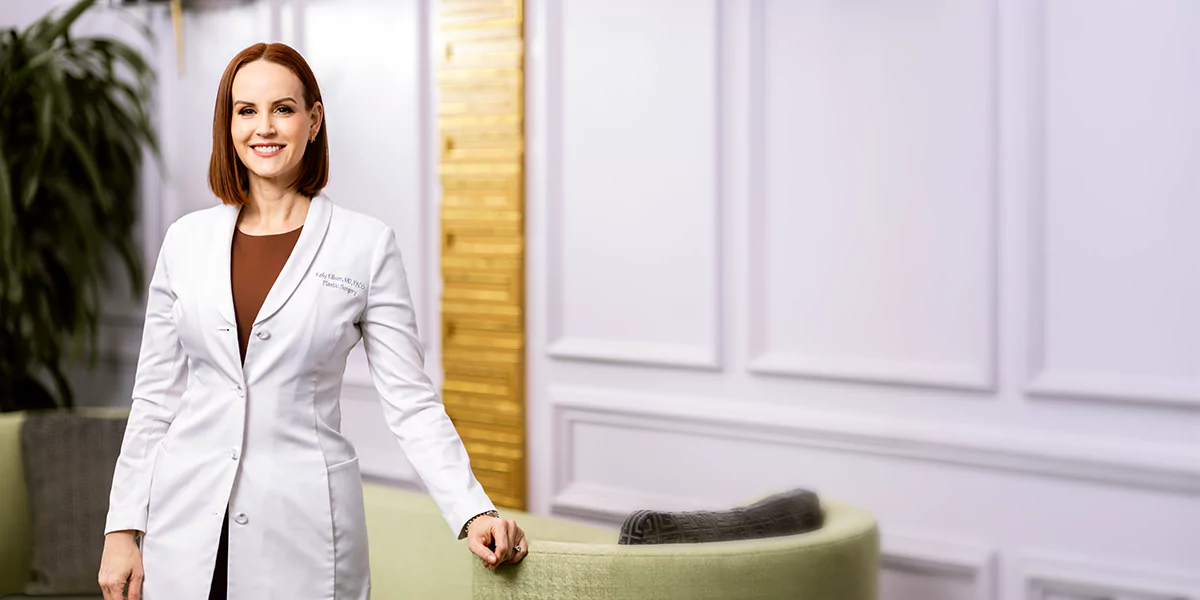
Dr. Killeen and her team support you every step of the way, from your first consultation through recovery.
Take the first step toward the life you deserve.
Schedule Your ConsultationTransform Your Life
Every person deserves to feel comfortable and confident in their own body. Our procedures aren't just about physical change. They're about reclaiming your life, your comfort, and your self-assurance.
Dr. Killeen and her team support you every step of the way, from your first consultation through recovery.
Take the first step toward the life you deserve.
Schedule Your ConsultationRelated Articles
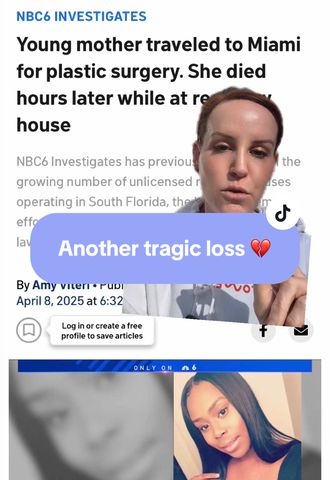
Another Tragic Loss in Florida: Ahmonique Miller and the Danger of Unlicensed Aftercare
April 14, 2025
Ahmonique Miller traveled from Las Vegas for surgery in Florida and died the same day at an unlicensed aftercare facility, reportedly found face down and already in rigor mortis when EMS arrived. Dr. Killeen walks through the reported facts and the red flags patients can actually check: a facility employing non-board-certified providers, aftercare priced far below market ($1,200 a week versus $900-$3,000 a night in LA), and why properly trained nursing staff in recovery is what stands between a close call and a tragedy.
Plastic Surgery "Chop Shops": Why They're Dangerous and How to Protect Yourself
October 13, 2025
Dr. Killeen breaks down a recent investigative article on plastic surgery chop shops like Goals Plastic Surgery and Sono Bello — including their hiring of disciplined surgeons, fake "3-month plastic surgery fellowships," consultant-led surgical decisions, and lack of after-hours care.
"I Learned Liposuction on YouTube": Why This Should Terrify You
May 6, 2025
Dr. Killeen responds to a provider who admitted online that she learned liposuction from YouTube, mentors, CME courses, and textbooks — with only a one-year transitional residency, no surgical training, no hospital privileges, and no malpractice insurance. Why "different paths to the same proficiency" is false, why liposuction is core to plastic surgery training, and how to make sure you are seeing a genuinely qualified expert.